
 MY basket
If you’ve ever walked into a north-facing room and immediately felt it was darker or colder than the rest of the house, you’re not imagining it. North-facing rooms naturally receive less direct sunlight, which can make them feel dim, cool, and sometimes even uninviting.
But why does this happen and more importantly, what can you do about it? Let’s explore why north-facing rooms feel darker and the practical ways you can brighten them up.
Why North-Facing Rooms Receive Less Light
In the UK and the Northern Hemisphere, the sun rises in the east, moves across the southern part of the sky, and sets in the west. This means south-facing rooms receive the most consistent, direct sunlight throughout the day.
North-facing rooms, on the other hand, rarely receive direct sunlight. Instead, they get indirect, diffused light. While this light can be soft and even, it lacks the warmth and brightness that direct sunlight provides.
As a result, north-facing rooms can feel:
- Dimmer, even during the day
- Cooler in tone
- Less vibrant
- Slightly colder in winter
Understanding this natural light pattern is the first step in addressing the issue.
The Impact of Cool-Toned Light
North-facing light tends to have a cooler, bluish tone. This can make certain colours look muted or greyed out, especially warm shades like beige, cream, or soft pastels.
Walls that look bright and airy in a south-facing room can appear flat and dull in a north-facing space. Dark furniture and heavy materials can amplify this effect, making the room feel even more enclosed.
Why North-Facing Rooms Can Feel Colder
It’s not just about brightness. Because these rooms don’t benefit from solar gain (heat from direct sunlight), they often feel physically cooler. Less sunlight means:
- Reduced natural warmth
- Increased reliance on artificial lighting
- Higher heating demand in colder months
The psychological impact of a darker space can also make it feel less comfortable, even if the temperature is technically the same.
How to Fix a Dark North-Facing Room
The good news? There are several practical and design-led solutions to transform a north-facing room into a brighter, more inviting space.
1. Choose the Right Paint Colours
Colour choice plays a huge role in how light behaves in a room. In north-facing spaces, consider:
- Warm whites instead of stark cool whites
- Soft neutrals with yellow or beige undertones
- Light greys with warmth rather than blue undertones
- Muted earthy tones
Avoid overly cool shades, as they can exaggerate the blue tones of north light.
2. Maximise Natural Light Entry
If possible, increasing the amount of natural light entering the room can make a dramatic difference. Consider:
- Enlarging windows
- Installing slim-framed glazing
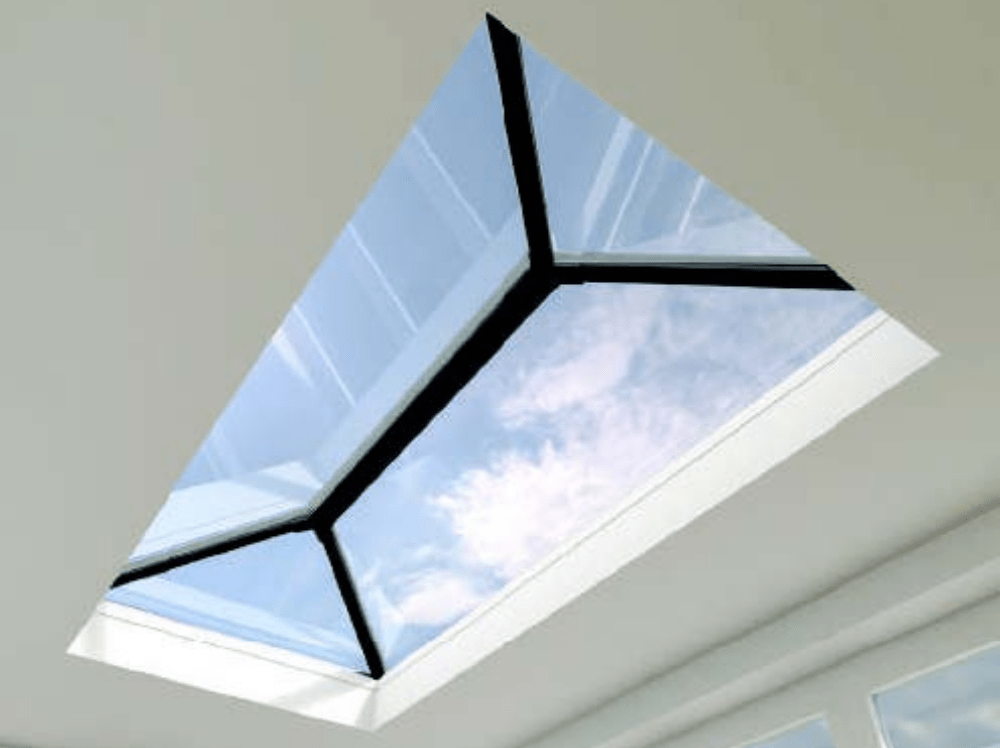
- Adding rooflights or roof lanterns
Rooflights are particularly effective because they capture light from above, where sunlight is strongest and least obstructed. Even in north-facing rooms, rooflights can dramatically improve brightness by introducing overhead daylight.
Roof lanterns in extensions or open-plan spaces can transform what would otherwise be a dim area into a bright focal point.
3. Upgrade to High-Performance Glazing
Older or smaller windows may limit light transmission. Modern glazing systems are designed to maximise light while maintaining insulation. Look for:
- Low iron glass for higher clarity
- Slim aluminium frames for larger glass areas
- Thermally efficient double or triple glazing
This ensures you increase brightness without compromising energy efficiency.
4. Use Mirrors Strategically
Mirrors are a simple but powerful way to reflect light around a room. Position mirrors:
- Opposite windows
- Adjacent to light sources
- Behind lamps
This helps bounce natural and artificial light deeper into the space.
5. Rethink Window Treatments
Heavy curtains can block valuable daylight. Instead, consider:
- Sheer blinds
- Light-filtering roller blinds
- Minimal window dressings
Allowing as much natural light in as possible is key.
6. Improve Artificial Lighting
Layered lighting is essential in north-facing rooms. Incorporate:
- Ceiling lights for overall brightness
- Wall lights for ambience
- Table and floor lamps for warmth
Choose warm white bulbs (around 2700K–3000K) to counteract the cool natural light.
Combining multiple light sources creates depth and prevents shadows.
7. Opt for Lighter Flooring and Furnishings
Dark floors and furniture absorb light. Lighter materials reflect it. Consider:
- Light wood flooring
- Neutral rugs
- Pale upholstery
- Gloss or satin finishes
Reflective surfaces help distribute light more effectively throughout the room.
8. Keep It Clutter-Free
Clutter can block light flow and create visual heaviness.
Keeping the space open and minimal enhances the scene of brightness and airiness.
Structural Solutions: A Long-Term Fix
If you’re renovating or extending, structural changes can offer a more permanent solution.
Rooflights and Roof Lanterns
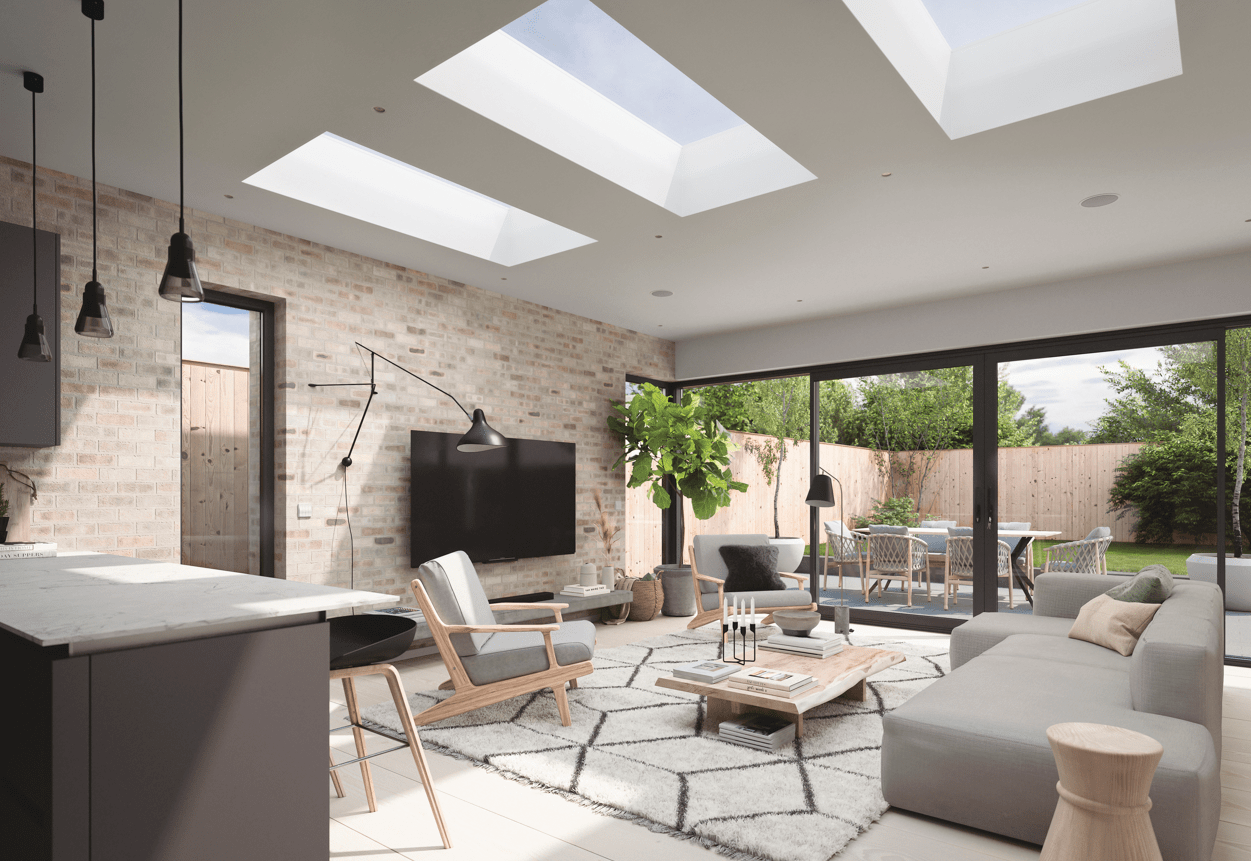
Flat roof extensions, kitchen diners, and open-plan living spaces often benefit significantly from rooflights.
Even if the room faces north, light entering from above is typically more consistent and powerful than light entering from vertical windows.
Roof lanterns, in particular, can create a central feature while dramatically increasing daylight levels.
Internal Glazing
Adding internal glass partitions or doors can allow light to travel between rooms, reducing the isolation of darker spaces.
Open-Plan Layouts
Removing internal walls can help redistribute natural light throughout the home.
The Psychological Effect of Light
Natural light affects mood, productivity, and wellbeing. Darker rooms can feel smaller and less welcoming, while brighter spaces feel more open and energising.
By improving light levels, you don’t just enhance aesthetics – you improve how the space feels to live in.
Final Thoughts
North-facing rooms naturally receive less direct sunlight, which can make them feel darker and cooler. However, this doesn’t mean they have to stay that way.
With the right combination of:
- Smart colour choices
- Improved glazing
- Rooflights or roof lanterns
- Strategic lighting
- Reflective surfaces
You can transform even the dimmest north-facing room into a bright, comfortable and inviting space.
Understanding how light works in your home is the first step. From there, thoughtful design and high-quality glazing solutions can completely change the atmosphere of your room – bringing warmth, brightness, and balance all year round.
At Lantern Superstore, we believe every home deserves to feel bright, open and inviting – no matter which direction it faces. If your north-facing room feels dark, the right roof lantern or rooflight can completely transform the space, flooding it with natural light all year round. Get in touch with our expert team today on sales@lanternsuperstore.co.uk to discuss your next project.


