
 MY basket
When choosing a roof lantern for your home, style and natural light are often the first things that come to mind. However, one of the most important technical factors to consider is the U-value. This figure plays a key role in determining how energy efficient your roof lantern is and how well it helps regulate the temperature inside your home.
In this guide, we’ll explain what a U-value is, why it matters for roof lanterns, and what U-value you should look for when selecting the right product for your property.
What Is a U-Value?
A U-value measures how well a building element prevents heat from escaping. It shows the rate at which heat transfers through a material, such as glazing or a roof lantern frame.
U-values are measured in watts per square metre per Kelvin (W/m²K). In simple terms, the lower the U-value, the better the insulation. A product with a low U-value allows less heat to pass through it, helping your home retain warmth in winter and stay cooler in summer.
For roof lanterns and other glazed products, the U-value typically refers to the overall thermal performance of the entire unit, including the glass, frame, and glazing bars.
Why U-Values Matter for Roof Lanterns
Because roof lanterns are installed in the roof rather than the wall, they can have a bigger impact on heat loss if they are not designed well. Warm air naturally rises, which means poorly insulated glazing at roof level can allow heat to escape more quickly. Choosing a roof lantern with a good U-value can provide several benefits:
Improved energy efficiency
A lower U-value helps reduce heat loss, which can lower energy consumption and heating costs.
Better temperature control
High-performance glazing helps maintain a more consistent indoor temperature throughout the year.
Greater comfort
Rooms with well-insulated roof lanterns are less likely to feel cold in winter or overly hot in summer.
Compliance with building regulations
In the UK, building regulations set minimum standards for thermal performance, so the U-value of your roof lantern must meet these requirements.
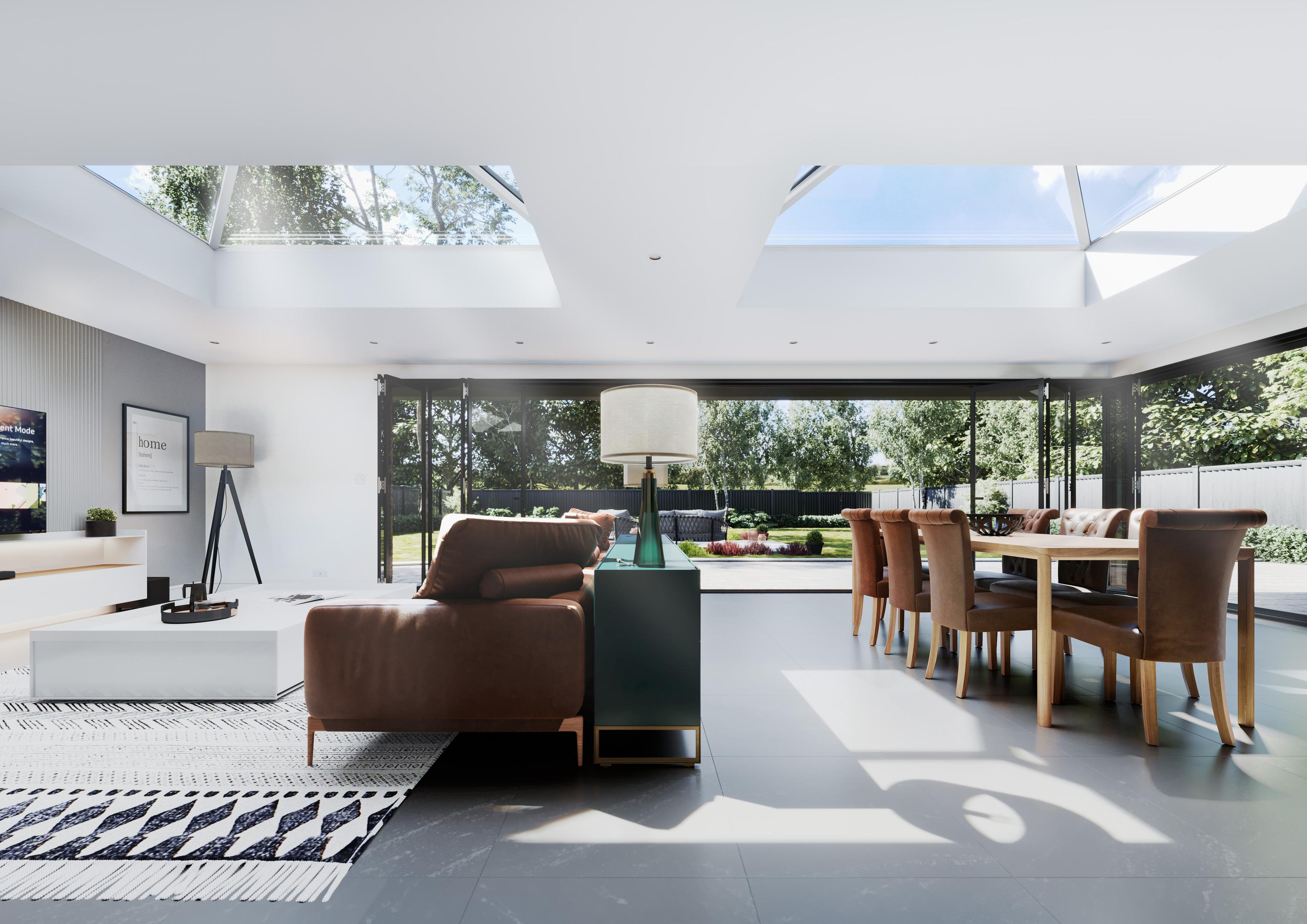
UK Building Regulation Requirements
In the UK, building regulations require new roof glazing installations to meet certain energy efficiency standards. While the exact requirement can vary depending on the type of project, roof lanterns typically need to achieve a U-value of around 2.0 W/m²K or better to comply with regulations.
However, many modern roof lantern systems significantly outperform this minimum standard. Advances in glazing technology, improved frame design, and better thermal breaks mean that high-quality roof lanterns often achieve U-values closer to 1.0–1.5 W/m²K.
Choosing a product that exceeds the minimum requirement can improve your home’s overall energy efficiency and comfort.
Typical U-Values for Roof Lanterns
The U-value of a roof lantern depends on several factors, including the type of glazing used and the design of the frame. Here are some common examples:
Double glazed roof lanterns
Most modern double glazed roof lanterns achieve U-values between 1.2 and 1.6 W/m²K, depending on the specification.
Triple glazed roof lanterns
Triple glazing can reduce heat loss further, with some roof lanterns achieving U-values as low as 1.0 W/m²K or below.
Older or basic systems
Older roof lanterns or those with less efficient glazing may have higher U-values, meaning more heat can escape through the structure.
As glazing technology continues to improve, many manufacturers now focus on designing roof lanterns that offer strong thermal performance without compromising on aesthetics or natural light.
What Affects the U-Value of a Roof Lantern?
Several components contribute to the overall thermal performance of a roof lantern.
Glazing type
The number of panes and the type of glass used can significantly affect insulation. Double and triple glazing help trap heat by creating insulating layers between the glass.
Gas-filled cavities
Modern glazing often contains inert gases such as argon between panes, which helps reduce heat transfer.
Low-emissivity coatings
Low-E coatings on glass reflect heat back into the room, improving energy efficiency.
Frame design
Thermally broken aluminium frames and well-insulated glazing bars help minimise heat loss around the edges of the roof lantern.
Seals and installation quality
Proper sealing and professional installation are essential to prevent air leakage and maintain the intended U-value performance.
Is a Lower U-Value Always Better?
In most cases, a lower U-value is beneficial because it means better insulation. However, it’s important to balance thermal performance with other factors such as cost, aesthetics, and the amount of natural light you want to bring into your home.
For many homeowners, a high-quality double glazed roof lantern offers an excellent balance of efficiency, price, and appearance. Triple glazing can provide additional insulation but may also increase weight and cost.
The best choice will depend on your project, property type and overall energy efficiency goals.
Other Factors to Consider Alongside U-Value
While U-value is important, it’s not the only factor to consider when selecting a roof lantern.
Solar gain
Solar gain refers to how much heat from the sun enters your home through the glazing. Good roof lanterns balance insulation with controlled solar gain to prevent overheating.
Light transmission
One of the main reasons for installing a roof lantern is to maximise natural light. High-quality glazing allows plenty of daylight while still maintaining strong thermal performance.
Ventilation options
Some roof lanterns can include opening vents to improve airflow, which can help regulate temperature and reduce condensation.
Design and aesthetics
Slim glazing bars, modern aluminium frames, and minimal sightlines can enhance the overall appearance of your space while still delivering excellent energy efficiency.
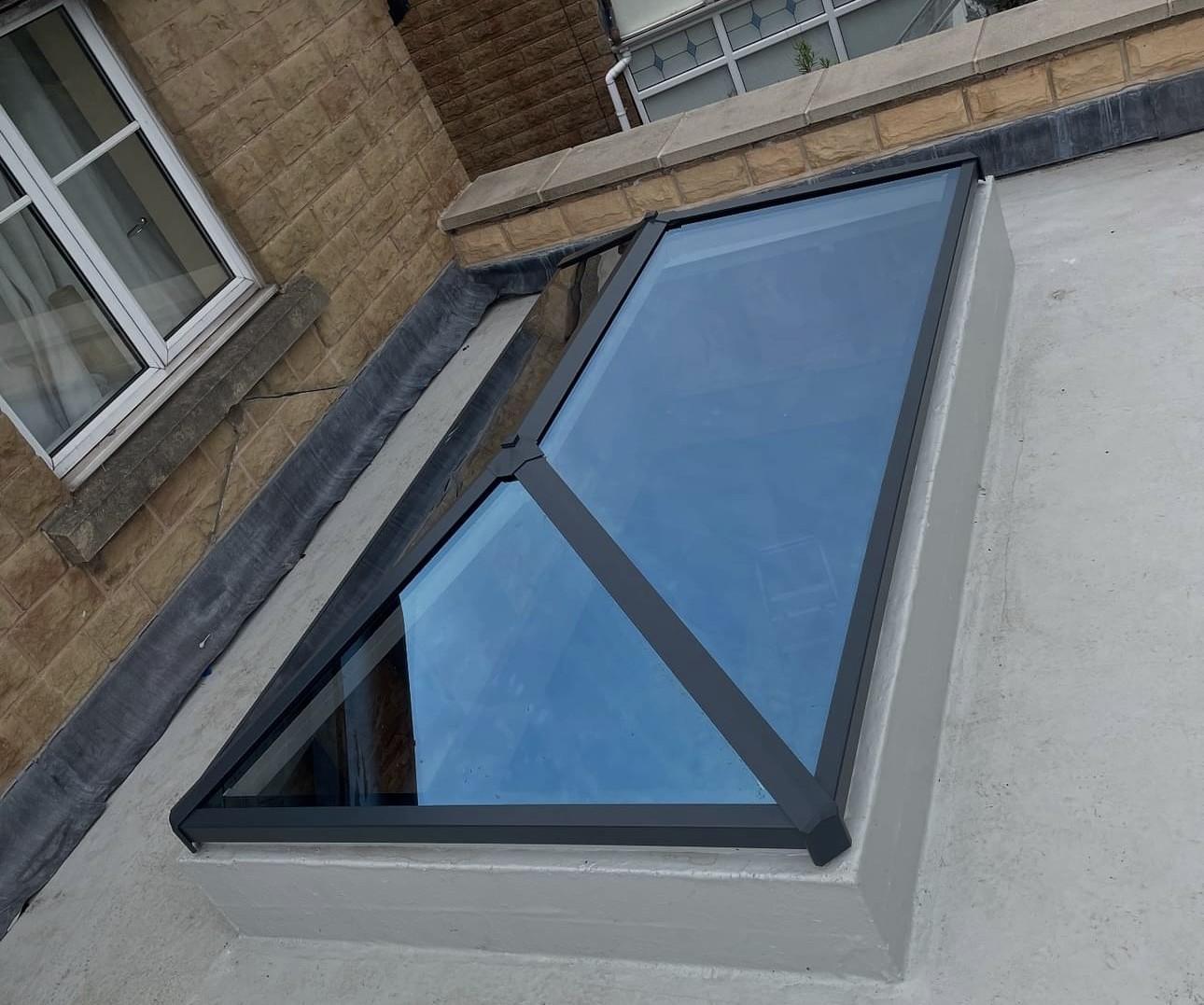
Choosing the Right Roof Lantern for Your Home
When selecting a roof lantern, it’s important to consider both performance and design. A well-designed roof lantern should enhance your living space with natural light while also helping maintain a comfortable indoor temperature throughout the year. Look for products that:
- Meet or exceed UK building regulation requirements
- Use high-performance double or triple glazing
- Include thermally efficient frame systems
- Offer strong overall U-value performance
Working with a specialist supplier can also help ensure you choose a roof lantern that suits your project and delivers the performance you expect.
Final Thoughts
The U-value of a roof lantern is a key indicator of its energy efficiency. In general, the lower the U-value, the better the insulation and thermal performance.
While UK regulations set minimum standards, many modern roof lanterns achieve far better results thanks to improved glazing technology and frame design. Choosing a roof lantern with a strong U-value can help reduce heat loss, improve comfort, and make your home more energy efficient.
By understanding what U-values mean and how they affect performance, you’ll be better equipped to choose the right roof lantern for your space.
At Lantern Superstore, we supply high-quality roof lanterns designed to maximise natural light while delivering excellent thermal performance. Whether you’re planning a new extension or upgrading an existing space, our range of modern roof lanterns offers the perfect balance of style, durability, and energy efficiency. If you’d like help choosing the right roof lantern for your project, get in touch with our team today on sales@lanternsuperstore.co.uk for expert advice and guidance.


