
 MY basket
A roof lantern is one of the most effective ways to transform a space, flooding interiors with natural light and creating a striking architectural feature. Whether you’re planning a new extension, upgrading an orangery, or designing a contemporary flat roof space, one of the most common questions is: what is the best size for a roof lantern?
The answer isn’t one-size-fits-all. The ideal dimensions will depend on your room size, ceiling height, property style, structural considerations and how you want the space to feel. In this guide, we’ll break down the key factors to consider so you can choose the perfect roof lantern size for your project.
Why Roof Lantern Size Matters
The size of your roof lantern has a significant impact on:
- The amount of natural light entering the room
- The sense of space and openness
- Thermal performance
- Visual balance within the extension
- Overall aesthetic appeal
Too small, and the lantern may look underwhelming while limiting light. Too large, and it could overpower the room, create glare, or reduce energy efficiency. Getting the proportions right is essential.
The General Rule of Thumb
A common guideline is that a roof lantern should cover between 25% and 50% of the flat roof area. For example:
- If your extension roof measures 4m x 4m (16m²), a lantern between 4m² and 8m² is typically appropriate.
- A popular size for standard kitchen extensions is around 1m x 2m or 1.5m x 2.5m.
However, this rule is only a starting point. Other factors can shift the ideal size up or down.
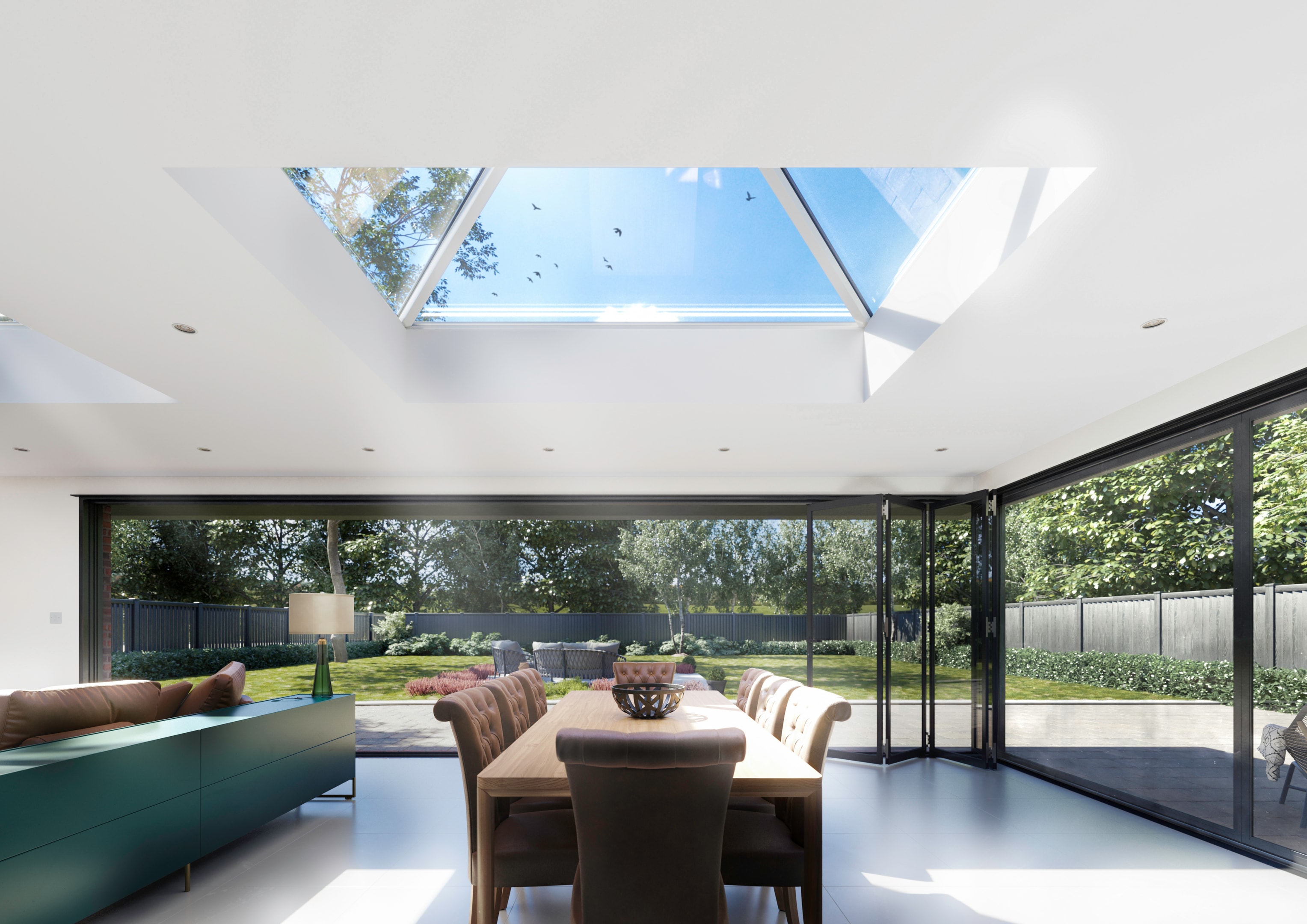
Consider the Size of the Room
The larger the room, the larger the lantern can be – but proportion is key.
Small Extensions (Under 15m²)
For compact spaces, a smaller lantern (for example, 1m x 1.5m) may provide enough light without overwhelming the ceiling. In smaller kitchens or dining areas, a centrally positioned lantern creates balance without dominating the space.
Medium Extensions (15–25m²)
Mid-sized rooms often benefit from lanterns between 1.5m x 2m and 2m x 3m. This provides strong daylight coverage while maintaining good insulation performance.
Large Open-Plan Spaces (25m²+)
Larger extensions can accommodate more substantial lanterns, such as 2m x 4m or even bespoke sizes. In open-plan kitchen-diners, a larger lantern can enhance the sense of height and openness.
Ceiling Height and Proportions
Ceiling height plays a big role in determining the best size.
In rooms with lower ceilings, an oversized lantern can feel overpowering. A more modest size maintains visual balance.
In contrast, high ceilings or vaulted flat roof designs can support larger lanterns without feeling cramped. The additional vertical space enhances the lantern’s architectural impact.
Proportion is everything, the lantern should complement the scale of the room rather than dominate it.
Purpose of the Space
How you use the room should influence the lantern size.
Kitchen Extensions
Kitchens benefit from generous natural light. A slightly larger lantern can brighten worktops and create an airy atmosphere. However, consider glare over cooking or prep areas.
Dining Areas
A lantern positioned above a dining table can create a focal point. The size should frame the table area without extending too far beyond it.
Living Spaces
In lounges or family rooms, balance comfort and light. A medium-sized lantern often provides enough daylight without creating excessive heat gain.
Energy Efficiency Considerations
While a larger roof lantern brings in more light, it also increases the glazed area – which can impact thermal performance. Modern roof lanterns are designed with:
- Thermally broken aluminium frames
- High-performance double or triple glazing
- Low-emissivity (Low-E) coatings
- Argon gas-filled units
These features reduce heat loss and solar gain, but size still matters. Oversized glazing may increase summer overheating or winter heat loss if not specified correctly.
Choosing a high-quality, energy-efficient system allows you to maximise size without compromising comfort.
Structural and Planning Considerations
Before deciding on size, consult with your builder or structural engineer. Larger roof lanterns may require:
- Additional structural support
- Stronger roof upstands
- Steel beams for reinforcement
There may also be planning restrictions depending on your property type or location, particularly in conservation areas.
Ensuring the roof structure can safely support the lantern is essential before finalising dimensions.
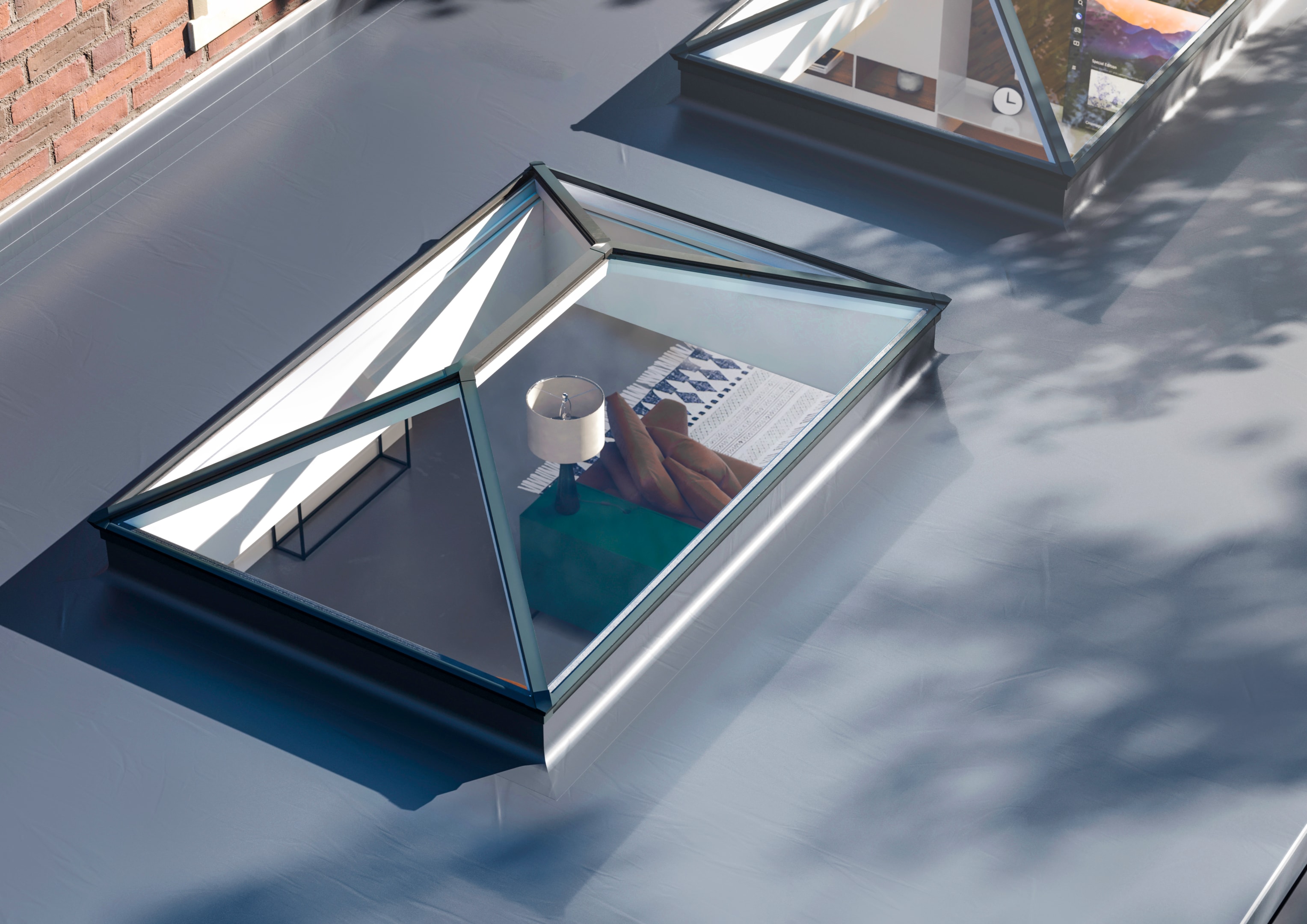
Single Large Lantern vs Multiple Smaller Lanterns
In some projects, instead of installing one large lantern, homeowners choose two smaller lanterns. This approach can:
- Create symmetry
- Spread light more evenly
- Reduce structural strain
- Offer a more contemporary look
The direction your extension faces can affect ideal sizing.
For wide extensions, two 1m x 2m lanterns may work better visually than one 2m x 4m structure.
Orientation and Sunlight Direction
- South-facing extensions receive strong sunlight. A very large lantern may require solar control glazing or blinds.
- North-facing extensions benefit from softer light, meaning a larger lantern can help maximise brightness.
- East or west-facing rooms experience shifting light throughout the day.
Considering sun exposure helps prevent overheating and glare.
Bespoke vs Standard Sizes
Many manufacturers offer standard stock sizes for quicker lead times and cost efficiency. These often suit common extension dimensions. However, made-to-measure roof lanterns allow you to:
- Perfectly match roof opening sizes
- Achieve ideal proportions
- Accommodate unusual layouts
If your project has specific design requirements, bespoke sizing may deliver the best result.
Visual Impact and Design Style
The best size isn’t just about measurements, it’s about aesthetics.
Slim sightlines and modern aluminium frames can make larger lanterns appear lighter and more elegant. Chunkier frames may look better in smaller proportions.
Contemporary properties often suit larger, minimalist designs. Traditional homes may benefit from more modest sizes that complement architectural character.
It’s helpful to visualise the lantern within the full design scheme before deciding.
So, What Is the Best Size for a Roof Lantern?
There is no single “best” size, only the best size for your specific project. As a guide:
- Aim for 25–50% of roof coverage
- Match the lantern proportionally to room size
- Consider ceiling height
- Factor in energy efficiency
- Review structural limitations
- Think about light direction and glare
For many standard kitchen extensions, sizes between 1.5m x 2m and 2m x 3m strike the perfect balance between light, design impact and efficiency.
Ultimately, the ideal roof lantern should enhance the space, not overwhelm it.
Final Thoughts
Choosing the right roof lantern size is about balancing natural light, energy performance, structural feasibility and design aesthetics. A well-proportioned lantern can completely transform an extension, making it brighter, more spacious and visually impressive.
If you’re planning a project, taking time to assess room dimensions, roof structure and overall design goals will ensure you select a size that delivers both immediate impact and long-term performance.
The best roof lantern size is one that feels perfectly at home within your space – bringing in light, enhancing comfort and elevating your property’s overall design.
At Lantern Superstore, we’re here to help you find the perfect roof lantern size for your project. Whether you’re planning a new extension or upgrading an existing space, our team can provide expert guidance and high-performance solutions tailored to your needs. Get in touch today on sales@lanternsuperstore.co.uk and let’s bring more light, style and impact to your home.


