
 MY basket
Natural light is one of the most desirable features in any modern home or commercial space. Rooflights and roof lanterns create bright, open interiors and a stronger connection with the outdoors. But with more glass often comes more sunlight, and that can mean unwanted heat, glare, and UV exposure. In this guide, we’ll explore what solar control glass is, how it works, its benefits, and where it’s used.
Solar control glass is a high-performance glazing option designed to manage how much solar energy passes through the glass. It allows plenty of daylight to enter while reflecting and filtering out excess heat from the sun. The result is a comfortable, well-lit interior that stays cooler in summer and more energy-efficient all year round.
Understanding Solar Control Glass
Solar control glass is a specially coated or tinted glazing that reduces the amount of solar heat entering a building. It’s designed to strike the perfect balance between natural light transmission and heat reduction, keeping interiors bright without overheating.
In technical terms, it works by controlling solar gain, which is the heat energy generated when sunlight passes through standard glass. While ordinary clear glass allows most of this heat to enter, solar control glass uses coatings that reflect a significant portion of the sun’s infrared radiation.
This helps maintain a comfortable indoor temperature, especially in buildings with large glazed areas such as conservatories, office blocks, or modern extensions.
How Does Solar Control Glass Work?
Solar control glass achieves its performance through a microscopic coating applied during manufacturing. This coating, usually made from metal oxides, is so thin that it’s invisible to the eye but extremely effective in modifying how light and heat move through the glass.
Here’s how it works in simple terms:
- Visible light passes through freely, maintaining brightness inside the building.
- Infrared (heat) radiation is partially reflected away, reducing heat build-up.
- Ultraviolet (UV) light transmission is limited, helping to prevent fading of fabrics, flooring, and furnishings.
There are two main types of coatings used in solar control glass:
1. Pyrolytic (Hard Coat)
The coating is fused onto the glass surface at a very high temperature during manufacture, becoming part of the glass itself. Hard coat glass is durable and suitable for single or double glazing applications, often used in exterior settings.
2. Sputtered (Soft Coat)
This involves applying the coating in a vacuum chamber after the glass is formed. Soft coat glass typically provides superior solar control and insulation performance but requires protection within a double or triple-glazed unit due to its more delicate surface.
Both options deliver excellent results, the right choice depends on the performance requirements, location and type of glazing system.
The Benefits of Solar Control Glass
Solar control glazing offers multiple advantages for homeowners, builders and designers alike.
1. Improved Comfort
By reducing solar heat gain, interiors stay cooler and more comfortable, especially in south-facing rooms or spaces with large glass areas. This is particularly valuable during the summer months when standard glazing can cause rooms to overheat.
2. Energy Efficiency
With less need for air conditioning or mechanical cooling, this glazing helps lower energy consumption and running costs. Many systems also offer excellent thermal insulation, keeping spaces warmer in winter and cooler in summer.
3. Reduced Glare
Solar control coatings help reduce glare from direct sunlight, making it easier to use computers, watch screens, or simply relax without harsh light streaming in.
4. Protection from UV Rays
The glass limits the amount of ultraviolet light entering your home or workspace, which helps protect furnishings, fabrics, and flooring from fading over time.
Where Is Solar Control Glass Used?

Solar control glazing is suitable for a wide range of applications in both residential and commercial buildings. Common uses include:
- Large windows and glazed façades – ideal for modern homes or offices with expansive glazing.
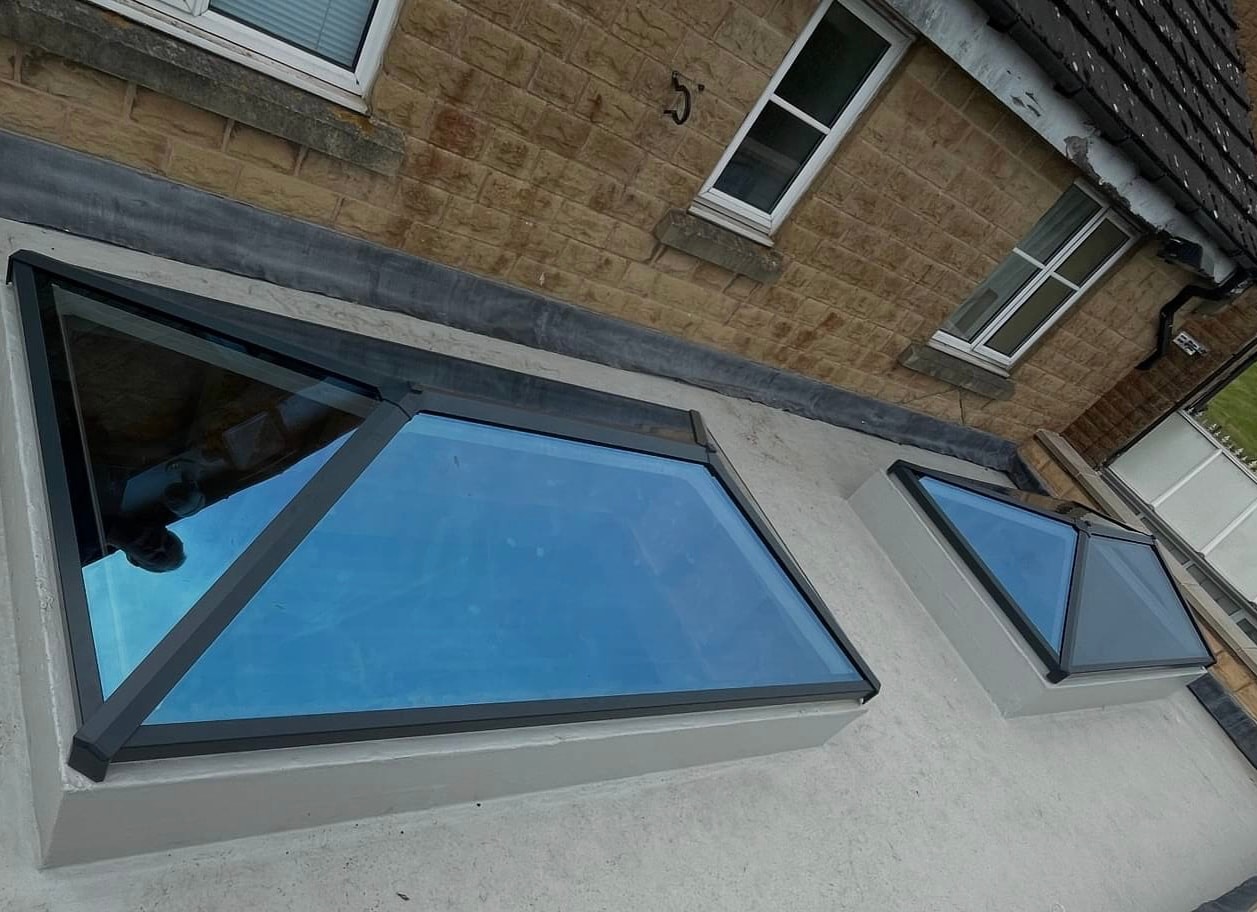
- Rooflights and roof lanterns – helps maintain comfortable temperatures in rooms with overhead glazing.
- Conservatories and garden rooms – prevents overheating and glare in sun-exposed spaces.
- Patio and bi-fold doors – allows panoramic views without unwanted solar heat gain.
- Commercial buildings and curtain walls – improves comfort and energy performance across large glass surfaces.
Different Types and Appearances
Solar control glass isn’t one-size-fits-all. It comes in a range of performance levels and aesthetic options to suit different needs.
Some versions are clear and neutral, almost indistinguishable from standard glass, making them ideal for residential projects where maintaining natural colour balance is important.
Others are tinted or reflective, often chosen for commercial buildings where visual privacy and bold architectural appearance are priorities.
Popular options include:
- Neutral solar control glass – clear look with subtle light reflection.
- Blue or grey tinted glass – reduces glare while adding a cool-toned appearance.
- Reflective glass – offers a mirror-like finish for privacy and striking aesthetics.
Each type has its own light transmission and solar factor values, allowing designers to choose the right balance for the project’s orientation and function.
Solar Control Glass and Energy Efficiency Regulations
As building regulations increasingly focus on thermal performance and sustainability, solar control glass plays an important role in meeting compliance requirements.
Modern glazing systems often combine solar control coatings with low-emissivity (Low-E) coatings, achieving both solar reflection and insulation in one unit. This dual performance helps reduce both heating and cooling demands which is a key factor in achieving better energy ratings for new builds and refurbishments.
Architects and specifiers frequently select solar control glass as part of a wider energy strategy, ensuring the building remains comfortable and efficient across all seasons.
Care and Maintenance
One of the advantages of solar control glass is that it requires little maintenance. The coatings are sealed within the glazing unit, protected from damage and weathering.
For external cleaning, use a soft cloth or sponge with mild, non-abrasive detergent. Avoid harsh chemicals or scrapers that could damage the surface. For self-cleaning variants (where the coating helps break down dirt using sunlight), maintenance is even simpler, with rainwater doing most of the work.
Is Solar Control Glass Worth It?
While this glass can be slightly more expensive than standard glazing, the long-term benefits often outweigh the initial investment. It enhances comfort, reduces energy bills, protects interiors from UV damage, and supports sustainable building design.
For spaces with large windows, rooflights, or extensive glazing, it’s a smart choice that improves both functionality and overall quality of life.
By choosing the right specification, you can enjoy bright, open interiors without the downsides of excessive heat or glare, proving that energy efficiency and design can work beautifully together.
Final Thoughts
Solar control glass represents a modern solution to a common challenge, how to enjoy light-filled spaces without compromising on comfort. By controlling how solar energy interacts with your windows, it keeps interiors cooler, reduces energy use, and helps create sustainable, liveable spaces.
Whether you’re designing a new extension, fitting rooflights, or upgrading existing glazing, solar control glass offers a long-term performance advantage that’s both practical and stylish.
In today’s energy-conscious world, it’s not just a smart glazing choice, it’s an essential part of modern building design.
At Lantern Superstore we offer a range of different glazing in our rooflights and roof lanterns, including solar control glass for improved energy efficiency. Want to find out more? Speak to our team on sales@lanternsuperstore.co.uk today!


