
 MY basket
In modern architecture, natural light has become a key element in creating energy-efficient and aesthetically pleasing spaces. Roof lights are one of the most effective ways to bring natural light into a building. Also, they not only enhance the brightness of a room but improve mood, productivity, and property value. Have you ever wondered what roof lights are actually made of? In this blog post, we’ll explore the core components of roof lights, the types of materials used, and why they matter.
What Are They?
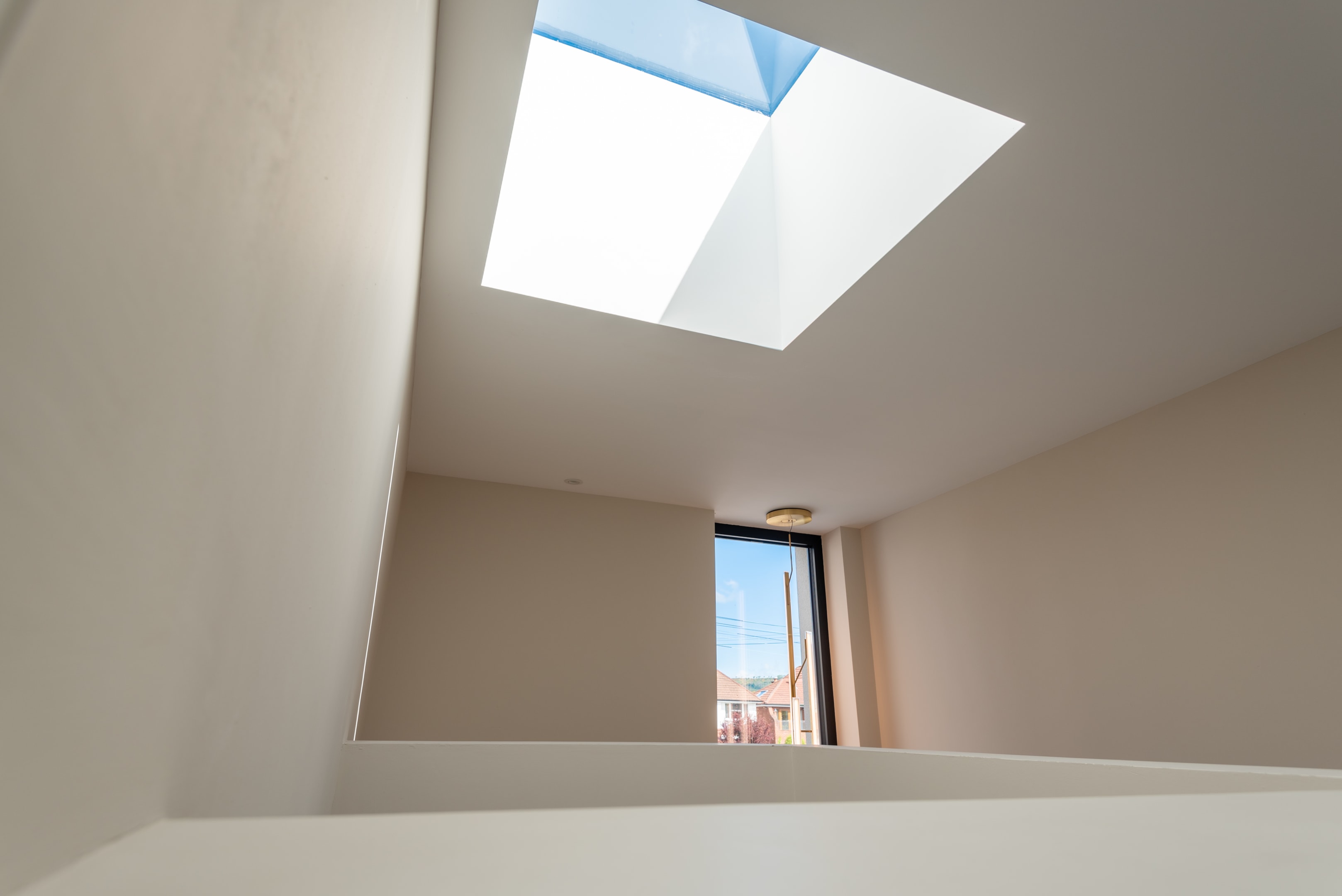
Builders install roof lights as glazed openings in a building’s roof structure to let natural light in. Depending on their design, you can choose fixed models (non-opening) or operable ones that open for ventilation.
The Main Components of Roof Lights
Roof lights are typically made up of the following key parts:
- Glazing (Glass or Alternative Material)
- Frame (Supports the Glazing)
- Thermal and Weather Seals
- Opening Mechanisms (for Ventilating Roof Lights)
- Security Fixings (for enhanced safety and tamper resistance)
Each of these components is made from specific materials chosen for their performance characteristics. Let’s break down each one.
1. Glazing
Glazing is the most important component of a roof light, it’s the part that allows light in while keeping the elements out. Manufacturers use several types of glazing, including double-glazed units to improve insulation, based on the function, cost, and performance requirements.
Toughened Glass
Manufacturers commonly use toughened or tempered glass. They heat-treat it to make it up to five times stronger than regular glass, and if it breaks, it shatters into small, blunt pieces that reduce the risk of injury. This makes it ideal for safety and structural integrity.
Laminated Glass
Laminated glass is also a popular type of glass for roof lights. It consists of two or more panes bonded together with a plastic interlayer (usually PVB or EVA). When glass breaks, the interlayer holds the shards in place. Laminated glass suits roof lights in high-risk areas or locations needing extra security and sound insulation.
Double Glazing or Triple Glazing
For enhanced thermal insulation, many roof lights use double glazed or triple glazed units—two or three layers of glass with air or inert gas (like argon or krypton) sealed in between. These double glazed layers reduce heat transfer and condensation, making the building more energy efficient.

2. Frame Materials
The frame of a roof light holds the glazing in place and provides structural support. Frame materials must be weather-resistant, strong, and thermally efficient. Aluminium rooflights are popular for their design versatility and exceptional thermal properties. Common frame materials include:
Aluminium
Aluminium is lightweight, durable, and corrosion-resistant, making it a popular choice for modern roof light frames. Additionally, it offers a sleek, minimal profile. To improve energy efficiency, aluminium frames are often thermally broken, meaning they include a layer of insulating material to prevent heat transfer.
uPVC (Unplasticized Polyvinyl Chloride)
uPVC is a low-maintenance, cost-effective option that offers good insulation and weather resistance. In comparison, it may not be as stylish as aluminium, but it is widely used due to its affordability and performance.
3. Thermal and Weather Seals
To ensure a roof light is energy efficient and weatherproof, manufacturers use a range of sealing materials:
- EPDM Rubber Gaskets – Used to create airtight and watertight seals.
- Silicone Sealants – For flexibility and long-lasting weather resistance.
- Thermal Breaks – Typically made from plastic or resin, thermal breaks reduce heat loss through the frame.
These elements are often overlooked but are critical to the performance and longevity of a roof light.

4. Opening Mechanisms
For roof lights that can open, the opening mechanism adds additional material complexity. These mechanisms can include:
- Manual Hinges – Operated with a pole or crank.
- Electric Motors – For remote-controlled or automated opening.
- Gas Springs or Hydraulic Arms – For smooth and safe opening and closing.
Sustainability and Energy Efficiency
Many modern roof lights prioritise sustainability in their design. Materials like low-emissivity (Low-E) glass coatings, thermally broken frames, and eco-friendly manufacturing practices contribute to reducing carbon footprints.
Flat Glass Rooflight
Roof lights do more than act as windows in your ceiling, engineers design them with advanced materials that work together to deliver natural light, thermal efficiency, and visual appeal.
As you design a new build or retrofit an existing structure, learning about the materials used in roof lights lets you confidently decide on quality, cost, and performance. Choose a reputable rooflight supplier to guarantee exceptional performance and proper rooflight installation.
At Lantern Superstore we offer a wide range of high quality roof lights, from frameless roof lights to circular roof lights. No matter the type, these products are specifically designed to brighten your living or working space, boost energy efficiency, and enhance comfort and visual appeal. Interested? Get in contact with our team today on sales@lanternsuperstore.co.uk.


