
 MY basket
Creating a more sustainable home isn’t just a trend, it’s a long-term investment in comfort, efficiency, and environmental responsibility. Whether you’re planning a renovation, upgrading key features, or simply looking to reduce your household’s carbon footprint, eco-friendly choices can make a significant difference. From improving insulation to choosing energy-saving glazing, every change plays a part in creating a greener, more cost-effective home. In this blog we’ll explore the eco-friendly homeowner’s guide to sustainable homes to help make your home more energy efficient.
1. Start With Smarter Insulation and Heat Retention
A sustainable home begins with insulation. Heat loss through walls, roofs, floors, doors, and windows forces your heating system to work harder, increasing energy usage and bills. Upgrading insulation creates immediate improvements in comfort and long-term reductions in energy consumption.
Key areas to focus on include:
- Loft insulation: One of the most cost-effective upgrades, preventing up to 25% of heat loss.
- Wall insulation: For both cavity and solid walls, this can drastically improve energy efficiency.
- High-performance windows and doors: uPVC or aluminium frames with double or triple glazing help keep warm air in and cold air out.
Even small improvements, like draught-proofing around doors or sealing gaps in older windows, contribute towards a healthier, more energy-efficient home. When your home retains heat more effectively, you naturally reduce your reliance on heating systems, cutting energy use and lowering your carbon output.
2. Choose Energy-Efficient Windows and Doors
Windows and doors play a crucial role in sustainable home design. Older units often allow significant heat leakage, rely on outdated glazing, and can be prone to drafts. Upgrading to modern systems not only improves insulation but also contributes to a greener lifestyle.
Energy-efficient glazing
Double or triple glazing with low-emissivity coatings helps to:
- Reduce heat transfer
- Improve thermal retention
- Lower heating costs
- Minimise external noise entering the home
Energy-rated frames also support greener living. uPVC and aluminium frames last for decades, offer strong insulating benefits, and require minimal maintenance, making them ideal for eco-conscious homeowners.
Long-term sustainability
Energy-efficient windows and doors:
- Reduce heating demand
- Improve comfort
- Maintain stable indoor temperatures
- Help homes meet modern energy standards
These upgrades make an immediate impact and remain one of the most valuable improvements for increasing property value while supporting a sustainable lifestyle.
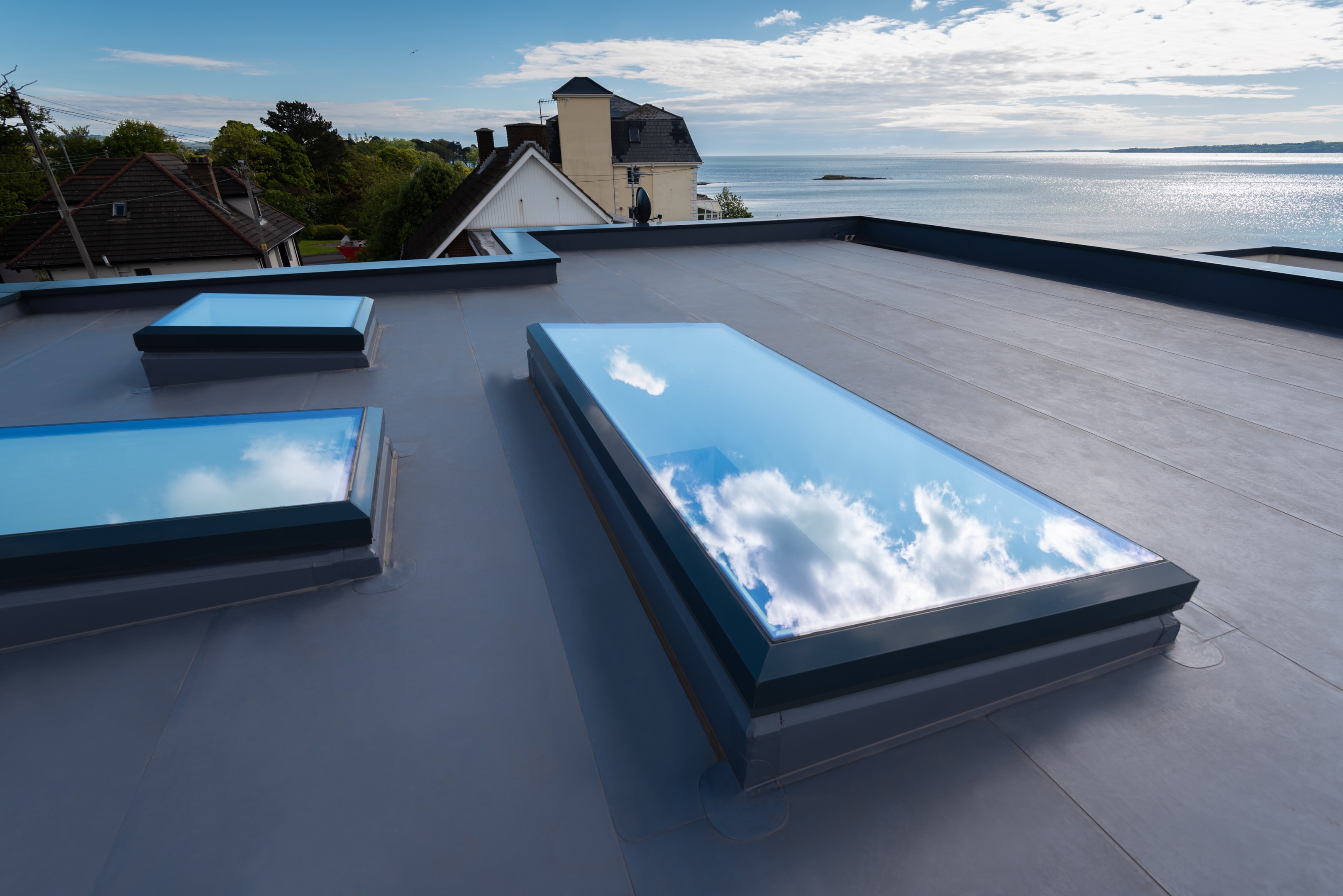
3. Maximise Natural Light With Rooflights and Roof Lanterns
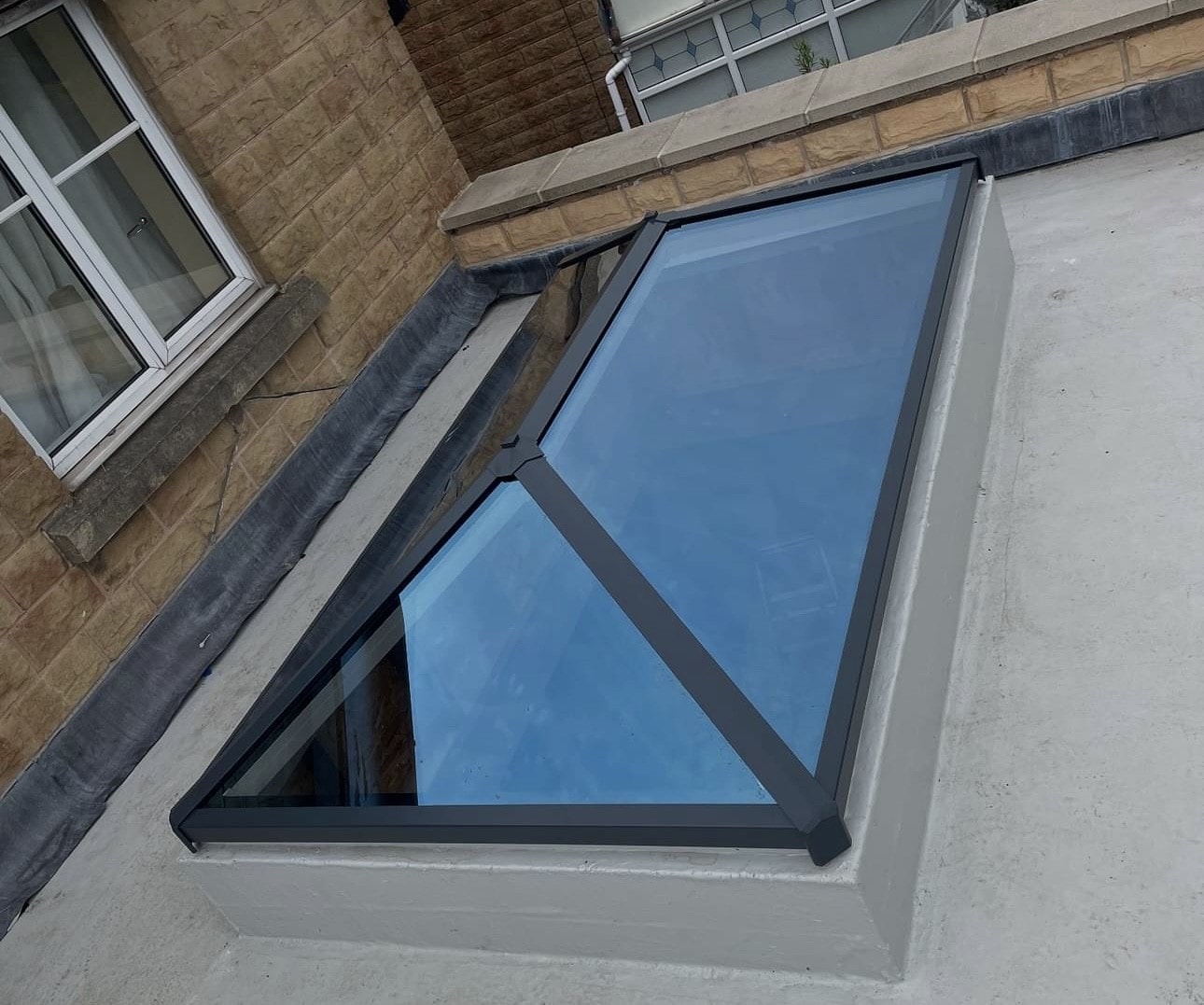
Lighting your home with natural daylight is one of the simplest, most effective ways to reduce energy usage. Rooflights and roof lanterns play a key role in enhancing natural illumination while adding architectural beauty to both traditional and modern homes.
Why rooflights and roof lanterns support sustainability
- Reduced need for artificial lighting: Natural light reaches deeper into the home, lowering electricity consumption during daytime hours.
- Improved energy distribution: With the right glazing, these products help regulate temperature and reduce heat loss.
- Better wellbeing: Increased daylight supports mental health, productivity, and overall comfort.
Self-cleaning glass, UV-blocking coatings, and thermally efficient glazing make modern rooflights and lanterns an eco-friendly upgrade that blends style with sustainability.
While they enhance lighting in kitchens, extensions, and open-plan spaces, they also complement other sustainable solutions by helping homes feel brighter, warmer, and more energy-efficient.
4. Incorporate Renewable Energy Solutions
Renewable energy is central to a sustainable home. You don’t need a complete system overhaul to make small, impactful changes.
Solar panels
These remain one of the most popular eco-friendly investments because they:
- Reduce dependence on the grid
- Significantly cut electricity bills
- Lower carbon emissions
- Add long-term value to your property
Solar panels are especially effective for households with high daytime energy use or for charging electric vehicles.
Solar batteries
Pairing panels with a battery system stores unused energy, making your home even more self-sufficient.
Solar thermal systems
These convert sunlight into heat for hot water, helping reduce boiler usage.
For homeowners aiming for long-term sustainability, renewable energy offers one of the strongest returns on investment, both financially and environmentally.
5. Upgrade to Smart, Energy-Saving Technology
Technology plays a powerful role in managing home energy usage. Smart devices help automate efficiency, ensuring your home uses only the energy it genuinely needs.
Smart thermostats
These learn your heating habits and actively reduce wasted energy. You can:
- Schedule temperature changes
- Heat only the rooms you use
- Control your system remotely
LED lighting
Switching to LED bulbs is one of the simplest sustainable upgrades, reducing electricity use by up to 80% compared to halogen bulbs.
Smart meters and energy monitors
These help homeowners track energy consumption in real time, making it easier to identify patterns and adjust habits.
The more control you have over your household energy, the more efficiently you can manage it. Even small upgrades create compounding benefits over time.
6. Choose Sustainable Materials and Finishes
Sustainable living also includes the materials you bring into your home. Choosing eco-conscious options contributes to long-term environmental protection while improving indoor air quality.
Consider:
- Low-VOC paints to reduce harmful chemicals
- Durable flooring such as bamboo, cork, or recycled materials
- Recycled glass or composite worktops
- Sustainably sourced timber, especially for furniture and interior features
These materials last longer, require fewer replacements, and create healthier indoor environments – all essential elements of sustainable homeownership.
7. Improve Your Home’s Water Efficiency
Water conservation is a key component of sustainable living, yet often overlooked.
Simple upgrades include:
- Aerated taps
- Low-flow showerheads
- Dual-flush toilets
- Rainwater collection systems
- Drought-tolerant garden plants
These changes help reduce water consumption without affecting convenience or comfort.
Final Thoughts
Building a more sustainable home doesn’t require major renovations or a full eco-overhaul. Small, strategic improvements – from upgrading windows and doors to introducing rooflights, improving insulation, and adopting energy efficient appliances – all contribute to a greener, more efficient lifestyle and a healthier living environment.
With thoughtful planning, you can reduce energy bills, cut carbon emissions, and enjoy a home that delivers long-term comfort, value, and environmental responsibility. Whether you choose natural lighting enhancements, renewable energy, or smarter heating controls, each step brings you closer to a truly sustainable home.
Here at Lantern Superstore we offer a range of rooflights and roof lanterns which are a good upgrade for lighting by letting in more natural light to your home. Interested in getting one? Speak to our team on sales@lanternsuperstore.co.uk today!


