
 MY basket
Roof lanterns have become a popular architectural feature in modern homes, particularly in extensions and open-plan spaces. Engineered to sit above the roofline, a roof lantern brings natural daylight into a room from above while also acting as a striking design statement. While roof lanterns offer many benefits, they may not be the right choice for every property of project.
Understanding both the advantages and potential drawbacks can help you decide weather a roof lantern is the right solution for your space. In this article, we explore the pros and cons of a roof lantern, covering performance, design, comfort and practicality.
What Is a Roof Lantern?
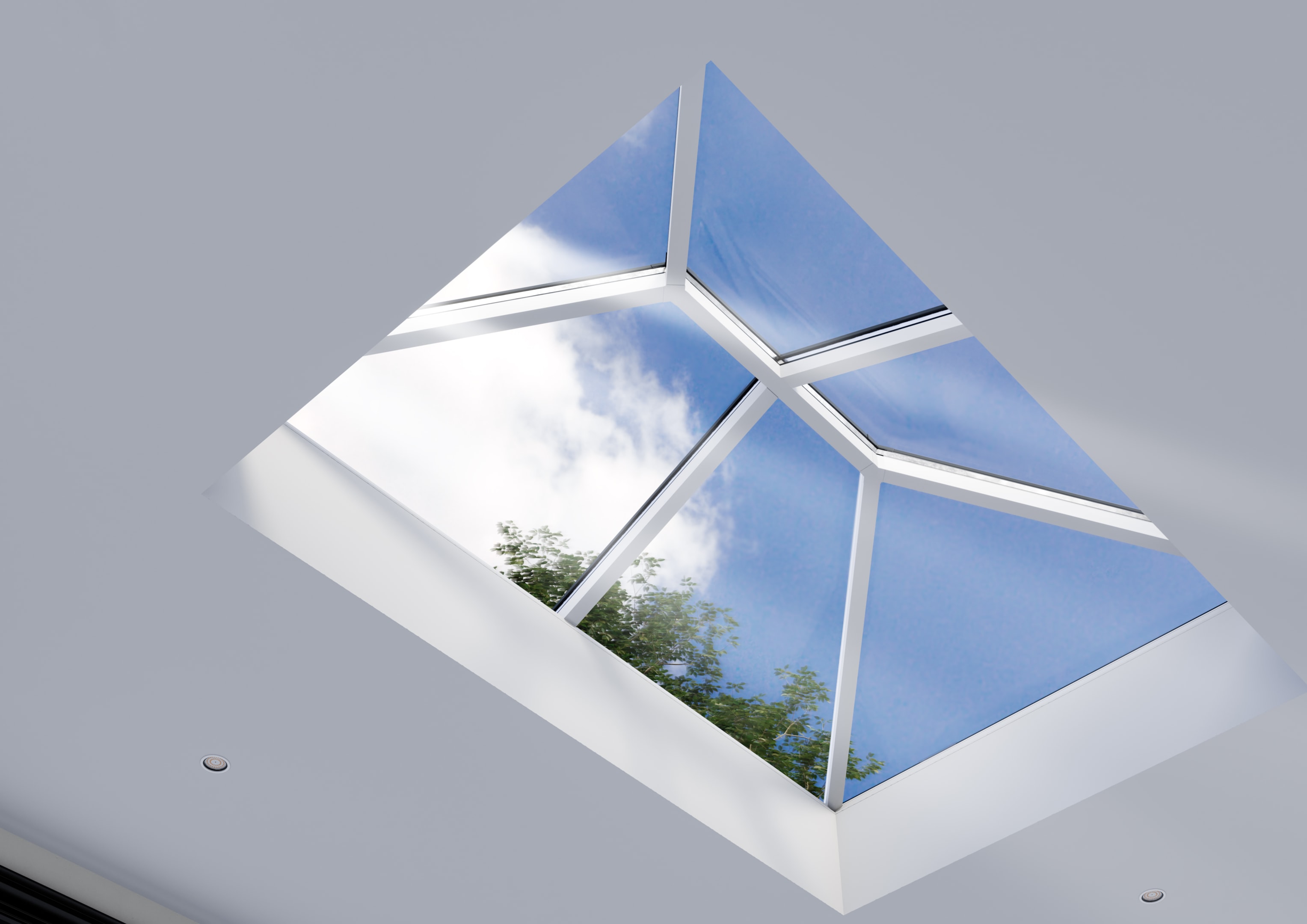
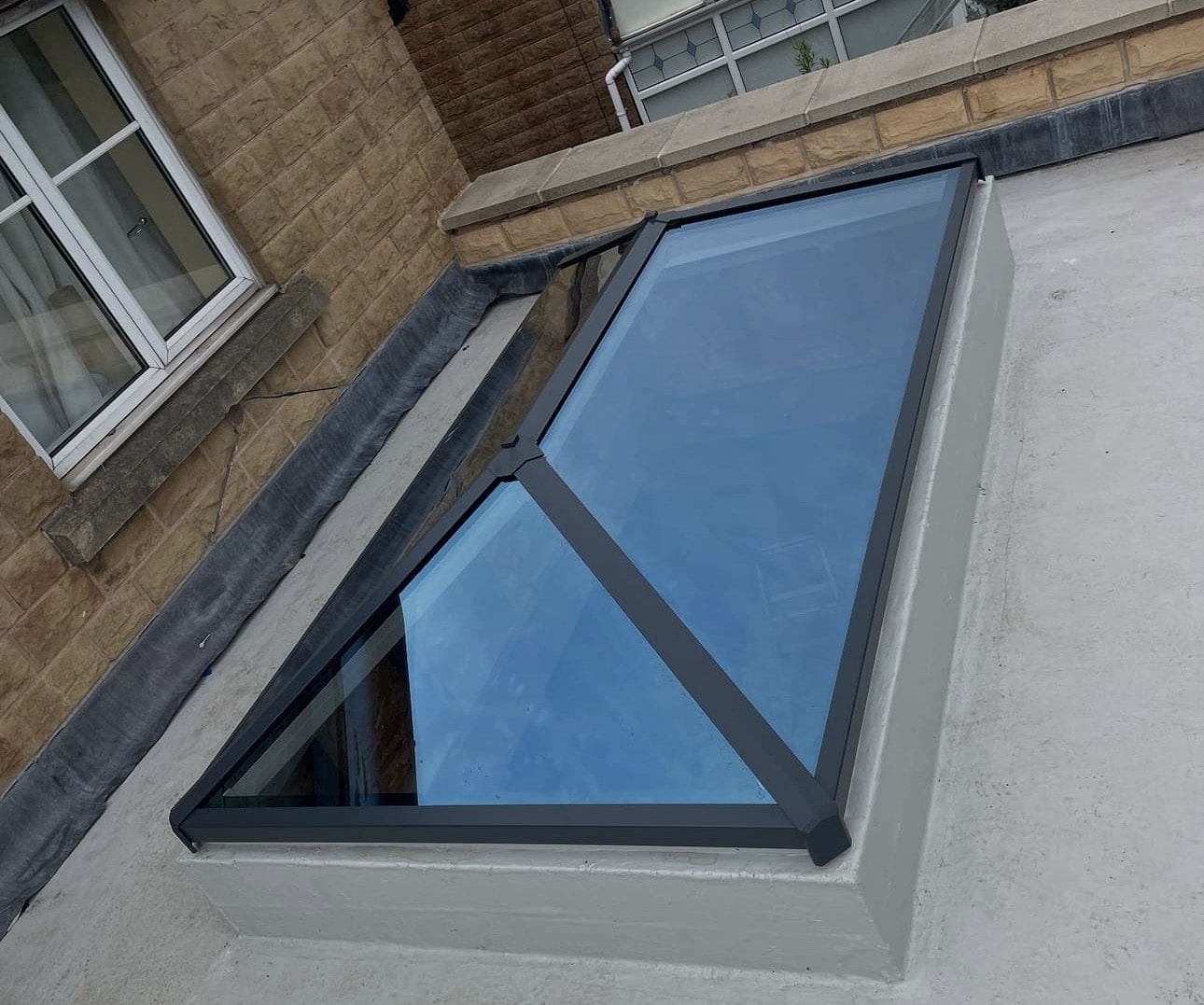
A roof lantern is a glazed structure installed on a flat or low-pitched roof, typically made up of multiple panes of glass supported by a frame. Unlike flat rooflights, roof lanterns project upwards, creating a pitched, lantern-style design that allows light to enter from multiple angles.
They are commonly used in kitchen extensions, dining areas and large open-plan living spaces where increasing daylight and creating a sense of height are key design goals.
Pros of a Roof Lantern
Excellent Natural Light
One of the biggest advantages of a roof lantern is the amount of natural light it can introduce into a space. Because of its raised design and multiple glass panels, a roof lantern captures daylight from different angles throughout the day.
This can make darker rooms feel brighter, more open and more welcoming, particularly in areas where vertical windows alone are not enough. Increased daylight can also reduce the need for artificial lighting during daylight hours.
Creates a Sense of Space and Height
Roof lanterns are particularly effective at making a room feel larger. By drawing the eye upwards, they add visual height and create a feeling of openness, even in rooms with standard ceiling heights.
This makes roof lanterns a popular choice for flat-roof extensions, where ceilings might otherwise feel low or enclosed. The architectural detail of a roof lantern can completely change how a space feels.
Strong Visual Impact
Internally, the clean lines and symmetry of a roof lantern can become a focal point of the room. Externally, it enhances the appearance of the roof and can add a contemporary or traditional feel depending on the style chosen.
A roof lantern is not just functional, it is also a design feature. From both the inside and outside, it adds character and interest to a property.
Improved Ventilation (With Opening Options)
Many roof lanterns are available with opening vents, either manually or electrically operated. This allows warm air to escape from the highest point of the room, improving airflow and comfort.
In spaces such as kitchens or open-plan living areas, this natural ventilation can help regulate temperature and reduce condensation, particularly during warmer months.
Suitable for Larger Spaces
Roof lanterns work especially well in larger rooms where their size and structure feel proportionate. In open-plan extensions or wide flat roofs, a roof lantern can distribute light evenly across the space rather than concentrating it in one area.
This makes them ideal for rooms where balanced lighting and visual impact are both important.
Cons of a Roof Lantern
Potential for Heat Loss or Heat Gain
Because a roof lantern includes more glazing than a standard flat rooflight, it can affect thermal performance if not specified correctly. In colder months, heat may escape more easily, while in warmer weather, excessive solar gain can lead to overheating.
Modern glazing technology, such as low U-values and solar control coatings, helps reduce these issues, but size, orientation and specification still play a significant role in performance.
Higher Cost Compared to Flat Rooflights
Roof lanterns are generally more expensive than flat rooflights. Their larger size, structural design and additional materials contribute to higher costs.
In addition to the unit itself, installation may also require more structural preparation to support the weight and shape of the lantern. This can increase overall project costs compared to simpler rooflight solutions.
Maintenance and Cleaning
Due to their raised design and multiple glass panels, roof lanterns can be more challenging to clean than flat rooflights. Dirt and debris may collect on the glass, particularly on lower roof pitches.
Access for cleaning should be considered during the planning stage, especially for larger roof lanterns or installations in hard-to-reach areas. While modern glass is designed to be durable and low maintenance, no glazing solution is entirely maintenance-free.
Not Always Suitable for Smaller Spaces
In smaller rooms, a roof lantern can sometimes feel overpowering. If the proportions are not right, it may dominate the space rather than enhance it.
In these cases, a flat rooflight or multiple smaller rooflights may provide a better balance of daylight without overwhelming the room. Proportion is key when deciding whether a roof lantern is appropriate.
Planning and Design Considerations
While roof lanterns often fall under permitted development, this depends on factors such as projection height and property location. Larger or more prominent designs may require additional checks, particularly in conservation areas.
There are also design considerations around roof pitch, frame style and glazing type, all of which influence how the lantern performs and looks once installed.
Is a Roof Lantern Worth It?
Whether a roof lantern is worth it depends on your priorities. If maximising daylight, creating a sense of height and adding architectural impact are key goals, a roof lantern can be an excellent choice.
However, it is important to weigh these benefits against factors such as cost, maintenance and thermal performance. Choosing the right size, glazing specification and design helps ensure the roof lantern enhances the space rather than creating unwanted issues.
Final Thoughts
Roof lanterns offer a powerful way to transform a room, delivering natural light, visual interest and a feeling of openness that is difficult to achieve with other roof glazing options. When chosen and specified carefully, they can add both practical and aesthetic value to a home.
By understanding the pros and cons, you can make an informed decision and choose a solution that suits your space, lifestyle and design goals.
At Lantern Superstore we offer a wide range of high-quality roof lanterns designed to enhance natural light, improve thermal performance and elevate your space. If your weighing up whether a roof lantern is right for your project, our team is on hand to help you explore your options and find the perfect solution. Get in touch today on sales@lanternsuperstore.co.uk to start your journey.


