
 MY basket
Shopping for home improvements online has never been easier. With a few clicks, you can compare prices, browse styles, and order a rooflight that promises to flood your space with natural light. But here’s the catch: not all rooflights are created equal. Some are expertly engineered to keep your home warm, safe, and stylish, while others cut corners that could leave you with leaks, drafts, or costly replacements down the line. In this blog we’ll advise you on How to Spot a Quality Rooflight Online and 5 Red Flags to Avoid.
When you can’t see a product in person, it’s harder to judge quality. That’s why knowing what to look out for, and more importantly, what to avoid, is essential. Being aware of warning signs when shopping for rooflights online can help you steer clear of poor quality or untrustworthy products. In this guide, we’ll cover five red flags that signal a rooflight might not be worth your money. Spotting these early can save you time, money, and plenty of frustration.
Why Rooflight Quality and Proper Installation Matter
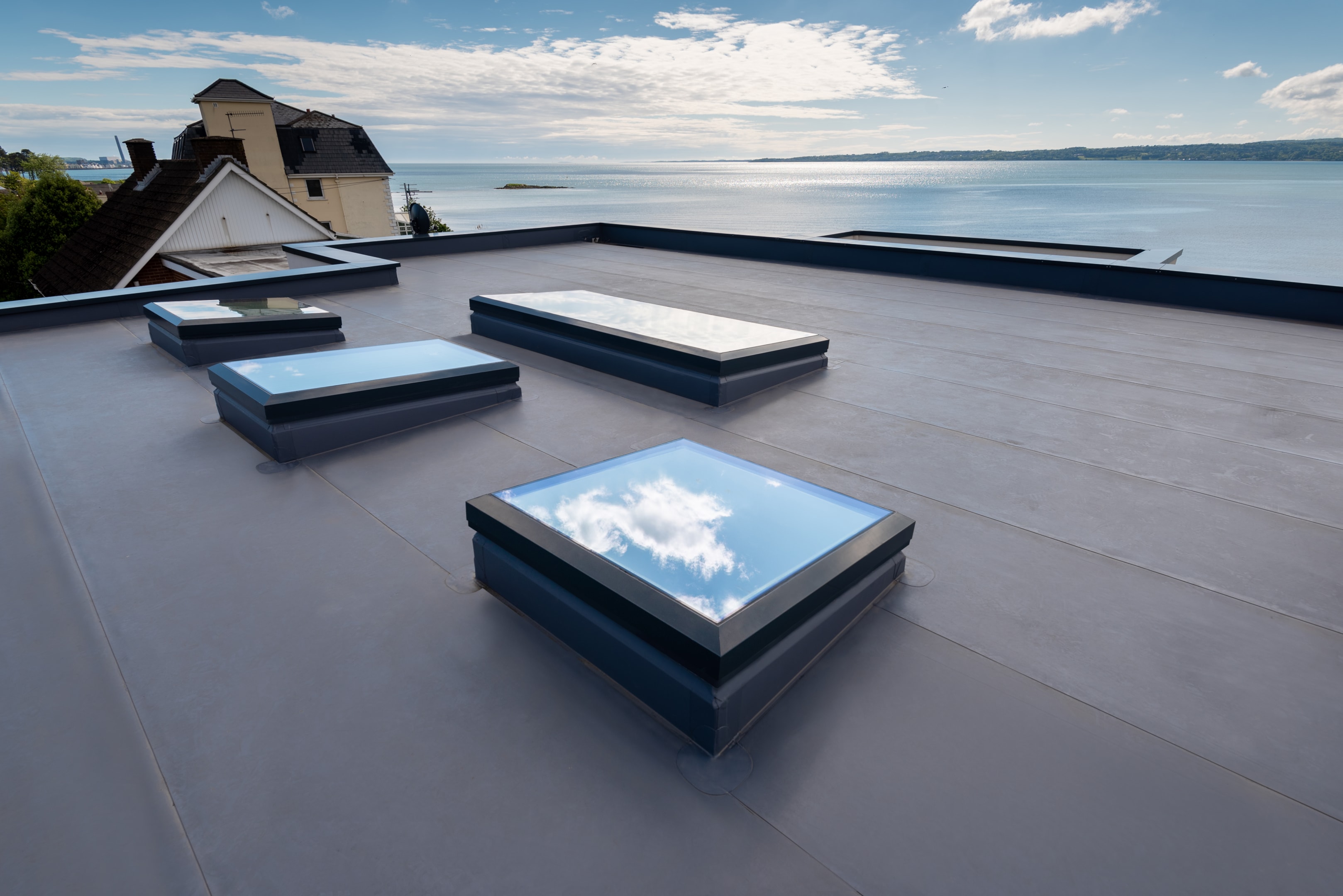
A rooflight isn’t just another decorative upgrade. It’s part of your home’s external envelope, the barrier that protects you from the weather, retains heat, and contributes to your property’s energy efficiency. A quality rooflight also helps protect your home’s structure from potential damage caused by moisture or temperature fluctuations.
A poor-quality rooflight can lead to:
- Water ingress and damp problems
- Heat loss and higher energy bills
- Reduced security
- Annoying condensation
- Shortened product lifespan
Choosing a rooflight online isn’t just about picking the design you like, it’s about making sure it will perform and last.
Building Codes and Regulations: What You Need to Know
When planning any roofing project, understanding and adhering to building codes is non-negotiable. Local building codes are in place to ensure that your roof is installed correctly, safely, and in a way that protects your home’s structure for years to come. A reputable roofing contractor will be familiar with all relevant building codes and will handle the necessary permits before work begins. Ignoring these regulations can lead to costly repairs, fines, or even having to redo the entire project if your roof doesn’t pass inspection. Always choose a professional roofer who prioritises compliance with building codes, this not only safeguards your investment but also ensures your roof meets the highest standards of safety and performance.
1. Vague or Missing U-Value Information
The first red flag when browsing rooflights online is unclear thermal performance data.
A U-value measures how well the rooflight insulates. The lower the U-value, the better the rooflight is at keeping heat inside your home. In the UK, Building Regulations require rooflights to have a U-value of 1.6 W/m²K or lower, but many quality models now achieve 1.0 W/m²K or better.
Red flag to avoid: Listings that describe products as “energy efficient” without giving an actual U-value.
What to look for: A clearly stated, tested U-value. A trustworthy supplier will provide this information upfront.
2. No Mention of Safety Glazing
Another giveaway sign of a poor-quality rooflight is the absence of information about the type of glazing used.
By law, rooflights must use safety glass, usually either:
- Toughened glass – heat-treated to be stronger than standard glass.
- Laminated glass – holds together when broken, adding extra protection.
Using anything less is a safety hazard. Unfortunately, some budget products cut costs here.
Red flag to avoid: Product descriptions that simply say “double glazed” without specifying whether it’s toughened or laminated.
What to look for: Toughened inner and outer panes, or laminated glass for additional safety and security. Certification marks such as BS EN 12150 or BS EN 14449 are reassuring signs.
3. Poor or Limited Warranty Coverage On Rooflights
A rooflight is a long-term investment. If a manufacturer or retailer doesn’t back up their product with a solid warranty, it’s a strong indicator they don’t expect it to last. In addition to warranty coverage, always check for insurance coverage, as this provides an extra layer of protection and demonstrates the company’s legitimacy.
Quality rooflights often come with 10 years or more of warranty coverage, sometimes longer for the glazing units. In contrast, budget products may only offer one or two years, leaving you unprotected if problems arise.
Red flag to avoid: Short warranties, vague terms, or “limited guarantees” with lots of exclusions.
What to look for: At least 10 years’ coverage on the rooflight, with clear terms that include the frame, glazing, and seals. A reputable supplier will be transparent about their guarantees.
4. No Independent Certification or Testing
When you’re shopping online, you can’t inspect the rooflight in person. That’s why independent testing and certification are so important, they prove the product has been assessed by a third party and meets recognised standards.
Look for certifications such as:
- BBA (British Board of Agrément) – rigorous UK testing for construction products.
- CE/UKCA marking – confirms compliance with safety and performance standards.
- ISO quality standards – reassurance about manufacturing processes.
Red flag to avoid: Rooflights advertised with marketing claims like “industry-leading” or “highest quality” but no evidence of certification.
What to look for: Specific testing or certification logos in the product description, backed by official documentation.
5. Overly Cheap Prices or Unrealistic Deals
It’s tempting to go for the cheapest rooflight you can find online, but as with most building products, if the price looks too good to be true, it probably is.
Cheaper models may cut corners on:
- Frame materials (thin aluminium or low-grade uPVC)
- Seals and gaskets (leading to leaks)
- Glass thickness (reducing insulation and strength)
- Hardware quality (fixings that wear quickly)
While the initial saving might feel good, the long-term costs of repairs, replacements, or higher heating bills quickly outweigh the benefit.
Major red flag to avoid: Rooflights priced significantly lower than similar models elsewhere, especially if the supplier is new or has no track record. Prices far below the market average are a major red flag for potential scams or poor quality, as reputable companies rarely offer unrealistically cheap deals.
What to look for: Competitive but realistic pricing from established suppliers with verifiable reviews and customer support. Reputable companies provide transparent pricing and ongoing customer support, helping you avoid costly mistakes.
Hidden Fees and Costs to Watch Out For
One of the most common frustrations homeowners face during a roofing project is the surprise of hidden costs. Some roofing contractors or companies may provide an initial estimate that seems attractively low, only to tack on extra charges for things like removing old roofing materials, disposal fees, or permit costs once the job is underway. To avoid these unpleasant surprises, always request a detailed estimate that clearly outlines every aspect of the project, including any potential hidden fees. A trustworthy roofing company will be upfront about all costs from the start, ensuring you know exactly what to expect and helping you budget accurately for your new roof.
How to Buy Rooflights Online with Confidence
Spotting the red flags is only half the story. Here are a few proactive steps you can take to make sure you’re choosing the right product:
- Read customer reviews – Look for feedback that mentions durability, insulation, and aftersales support, not just fast delivery.
- Compare specifications – Don’t just compare pictures. Line up U-values, glazing details, and certifications between suppliers.
- Check return policies – Reliable companies will offer fair returns in case of delivery damage or incorrect sizing.
- Ask questions – Contact the supplier directly. If they can’t answer technical queries clearly, it’s a warning sign.
- Buy from specialists – Rooflight-focused companies often offer higher-quality products and expertise compared to generic DIY websites.
- Request references or previous installation examples – Ask suppliers to provide references or a portfolio of past projects to verify their credibility and experience.
- Use experienced professionals for installation or advice – Seek installation or guidance from qualified, experienced professionals to ensure proper fitting, avoid future issues, and guarantee the longevity of your rooflight.
Final Thoughts
Shopping for rooflights online is convenient, but it requires a sharp eye. The key is to look beyond glossy images and focus on identifying red flags that signal poor quality. A rooflight is an investment in your home’s comfort, efficiency, and value. By avoiding these pitfalls and choosing a product and supplier committed to quality work, demonstrated by clear data, certification, and warranties, you’ll enjoy not just more natural light, but peace of mind that your home is protected.
At Lantern Superstore we offer a range of rooflights from flat to frameless we have it all! Planning a renovation and wanting a rooflight? Speak to our team on sales@lanternsuperstore.co.uk for more information!


