
 MY basket
When you add a rooflight to your home, you’re doing more than bringing sunlight in from above, you’re shaping the entire atmosphere of the room. One of the biggest factors that influences how daylight enters and spreads through your space is the shape of the rooflight itself. Different shapes capture and distribute light in unique ways, meaning your choice can dramatically change the look, feel, and functionality of a room. Whether you’re planning a modern extension, updating an existing living area, or designing a new build from scratch, understanding how the shape of your rooflight affects light distribution can help you make the best decision for your home. Below, we break down how circular, square, rectangular, and even multi-sided rooflights behave when it comes to daylight.
Why Rooflight Shape Matters
The shape of a rooflight impacts:
- How widely light spreads across the room
- How shadows move throughout the day
- The focus and direction of light beams
- The mood and atmosphere inside the space
- How the rooflight complements your architecture
Some shapes create soft, diffused illumination, while others channel the light more directionally. Some look best in symmetrical rooms; others suit wider, open-plan areas. Before choosing a shape purely for style, it’s worth understanding how each form performs.
Circular Rooflights
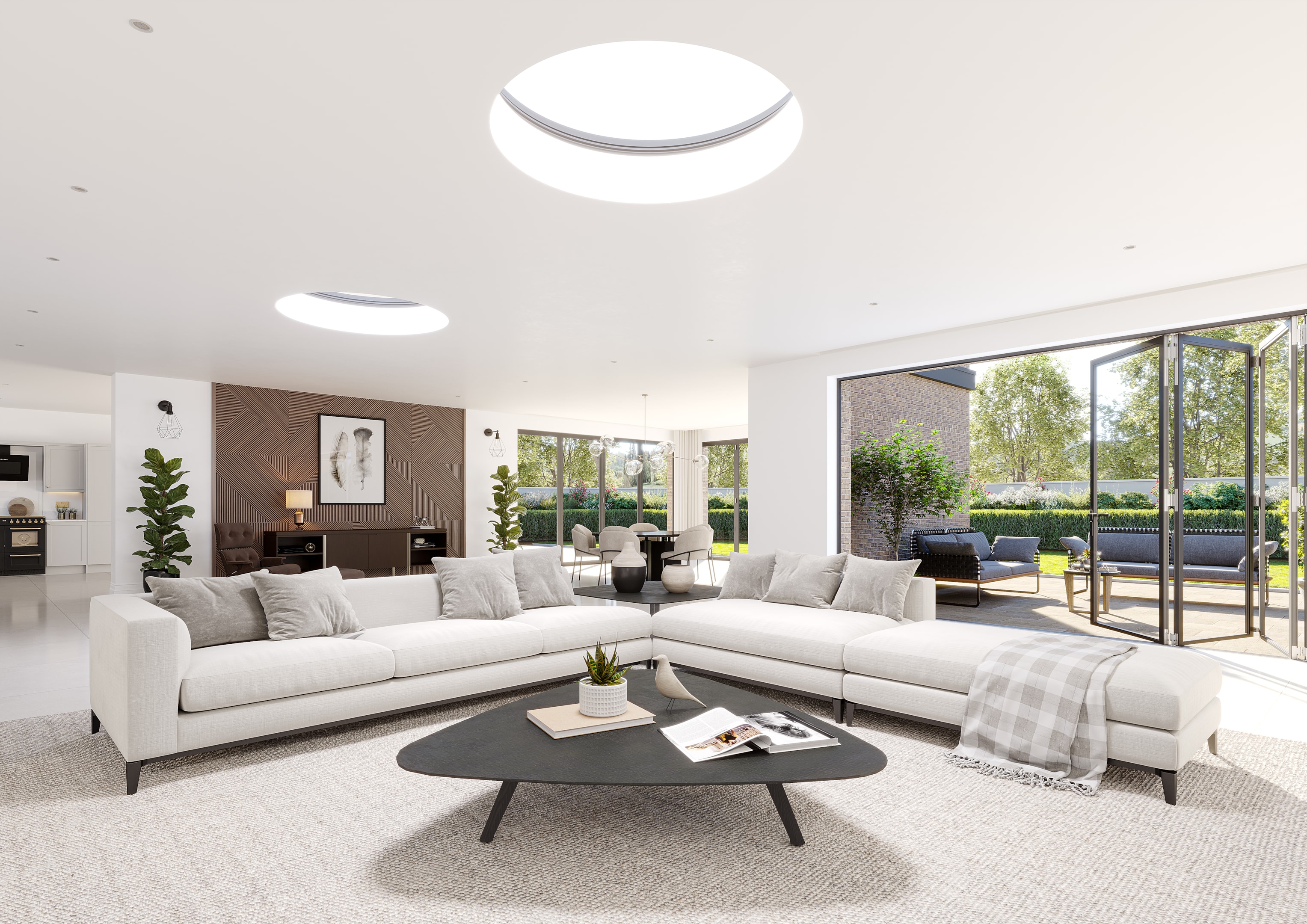
Circular rooflights, often known as oculus or round rooflights, offer a sleek, contemporary aesthetic that instantly draws the eye. But beyond their visual appeal, circles distribute light differently from any other shape.
How Circular Rooflights Spread Light
Because there are no corners:
- Light radiates evenly in all directions
- Shadows appear softer and less defined
- You often get a natural spotlight effect beneath the centre
This smooth distribution creates a calm, balanced atmosphere in the room.
Best Uses for Circular Rooflights
- Central features in hallways or stairwells
- Highlighting dining tables, reading areas, or seating zones
- Modern extensions where symmetry and simplicity matter
If you want a gentle, harmonious flow of natural light, a circular rooflight is one of the best options available.
Square Rooflights
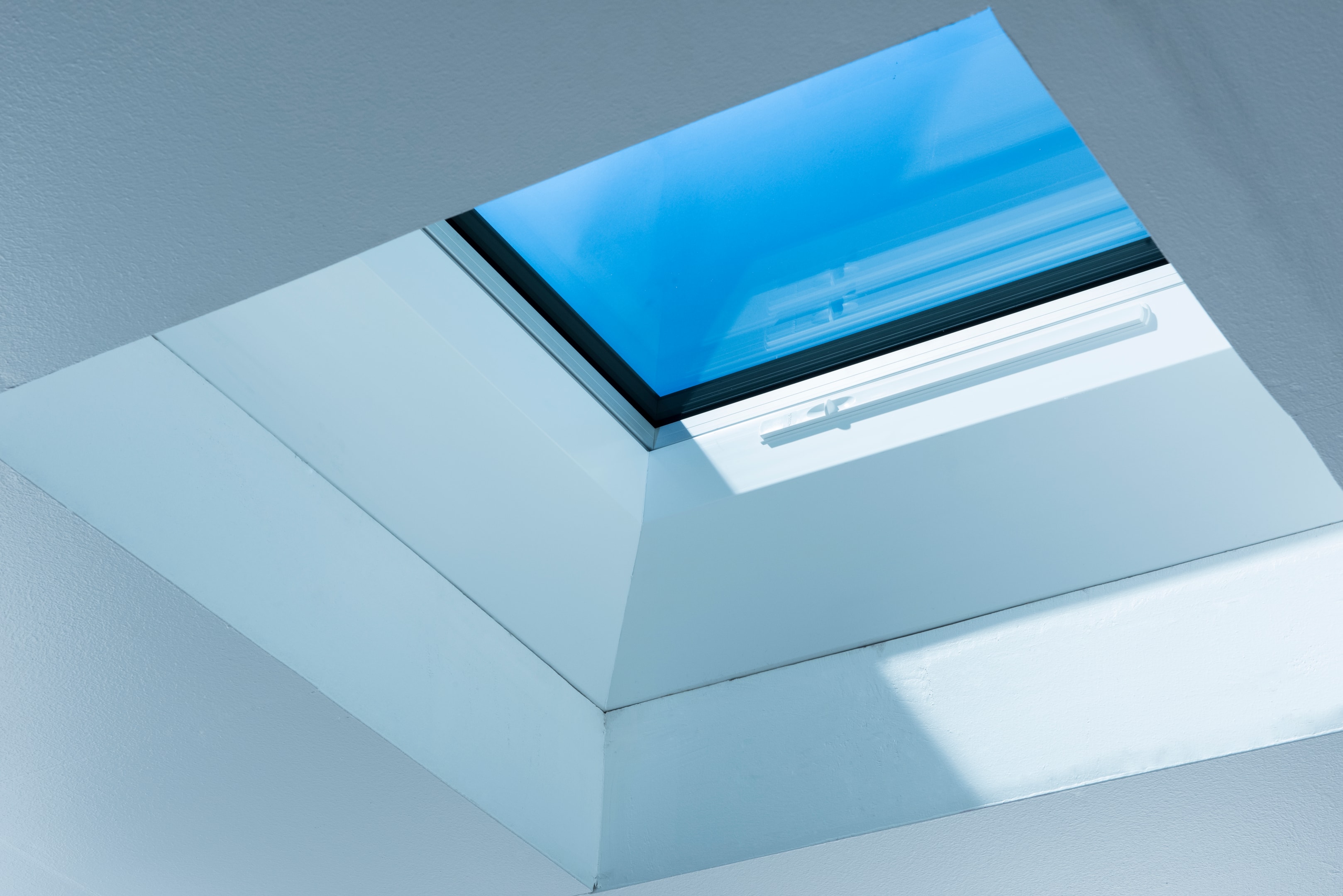
Square rooflights offer a clean, geometric look that fits perfectly into symmetrical designs. Their equal proportions help deliver a well-balanced spread of daylight.
How Square Rooflights Spread Light
A square shape:
- Creates uniform light distribution across the room
- Minimises directional shadows
- Maintains a sense of proportion and visual harmony
Because the shape is symmetrical, it supports a smooth spread of daylight in all four directions.
Best Uses for Square Rooflights
- Rooms with equal or near-equal proportions
- Kitchens with a central island
- Living rooms arranged around a focal point
Square rooflights are ideal when you want reliable, even lighting that feels natural and spacious without being overwhelming.
Rectangular Rooflights

Rectangular rooflights are the most popular shape, and for good reason. They deliver a broad, far-reaching wash of daylight that works especially well in longer or larger rooms.
How Rectangular Rooflights Spread Light
Their elongated shape means:
- Light travels further along the length of the room
- You get a more directional flow of daylight
- They brighten wide or open-plan spaces more effectively
This is particularly helpful in modern kitchen-diners and large extensions where you want strong, consistent daylight across multiple zones.
Best Uses for Rectangular Rooflights
- Open-plan kitchen/living/dining areas
- Long extensions or garden rooms
- Rooms with a linear layout or furniture arrangement
If your goal is to maximise coverage and bring as much light into the space as possible, rectangular rooflights typically offer the best performance.
Which Flat Roof Light Shape Gives the Best Light?
There’s no single best shape, it depends on the effect you want.
- For maximum coverage: Choose a rectangular rooflight.
- For soft, even light: Choose a circular rooflight.
- For balanced symmetry: Choose a square rooflight.
Think about how you use the room, where you want the brightest area to be, and how the light will shift throughout the day.
Other Factors That Influence Light Distribution
Shape plays a major role, but it’s not the only thing that affects lighting performance. Consider the following too:
Size
A larger rooflight always brings in more light, regardless of shape.
Positioning
A centrally placed rooflight brightens the entire room, while an off-centre placement helps illuminate specific zones.
Frame Thickness
Slimmer frames mean more glass, and more usable daylight.
Room Layout
Furniture, colours, and flooring all influence how light is reflected or absorbed in the space.
Final Thoughts
The shape of your rooflight has a big impact on how natural light enters, moves through, and transforms your home. From the gentle glow of circular rooflights to the wide-reaching illumination of rectangular designs, choosing the right shape ensures your space feels brighter, more open, and perfectly suited to how you live.
Whether you’re planning a new extension or upgrading an existing room, understanding how the shape of your rooflight affects light distribution helps you make a choice that enhances both style and practicality for years to come.
At Lantern Superstore, we manufacture rooflights in a wide range of shapes, including circular rooflights, so you can choose the perfect style and light distribution for your home. Whether you’re planning a new extension or transforming an existing space, our team is here to guide you. Get in touch today on sales@lanternsuperstore.co.uk for more information.


