
 MY basket
Natural light plays a crucial role in how we experience indoor spaces. It enhances aesthetics, improves mood, and even helps reduce electricity bills. While traditional windows have always been the go-to for daylight access, roof lights, or skylights, as they’re commonly known, are becoming an increasingly popular solution for modern homeowners and renovators.
But how effective are roof lights really? Do they let in more light than a regular window? In this blog, we’ll explore the science, benefits, and practicalities behind roof lights and uncover whether they’re the ultimate answer to brightening up your home.
What Are Roof Lights?
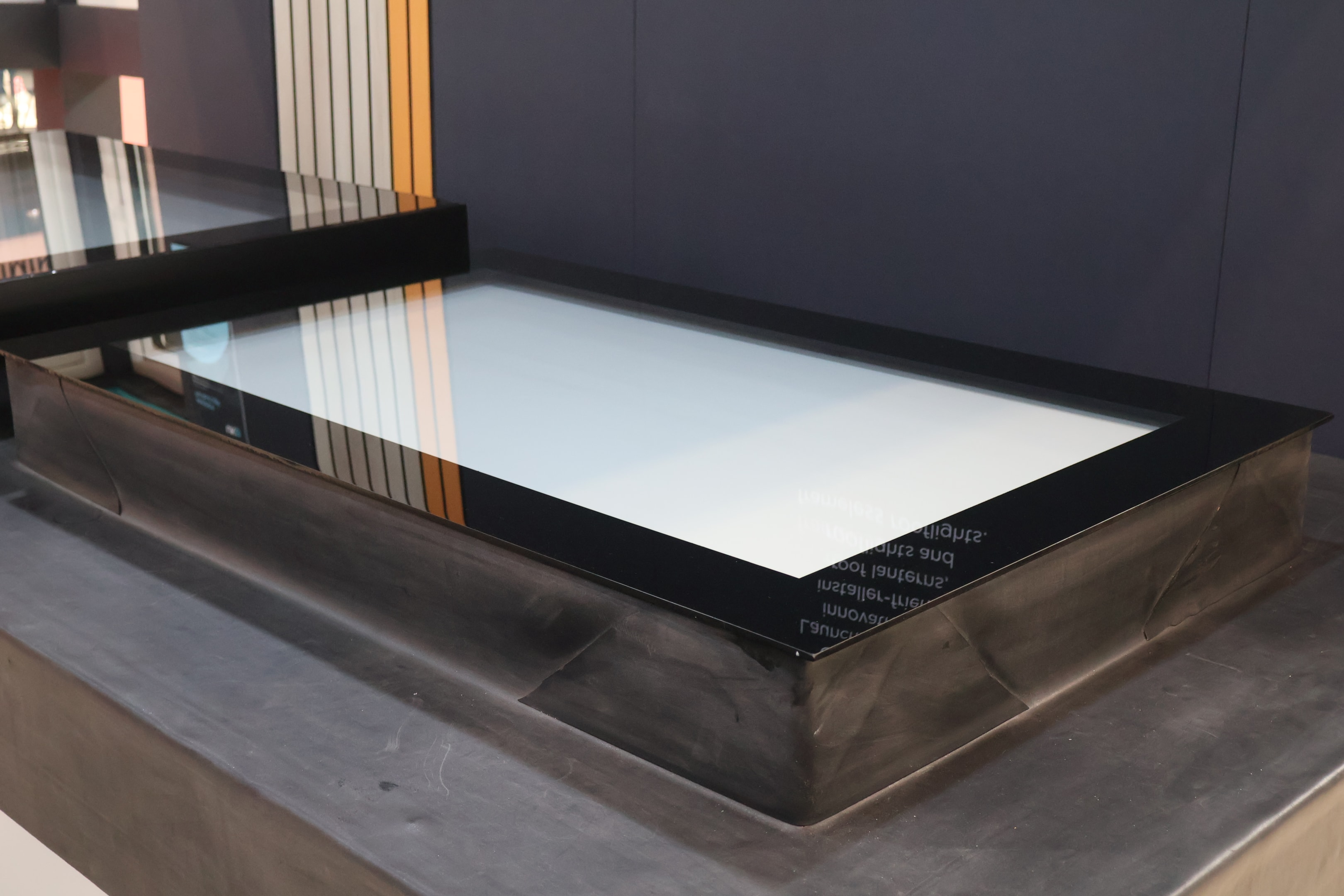
Roof lights, also known as roof windows, are glazed openings installed directly into the roof surface. They can be fixed or operable (i.e., capable of opening).
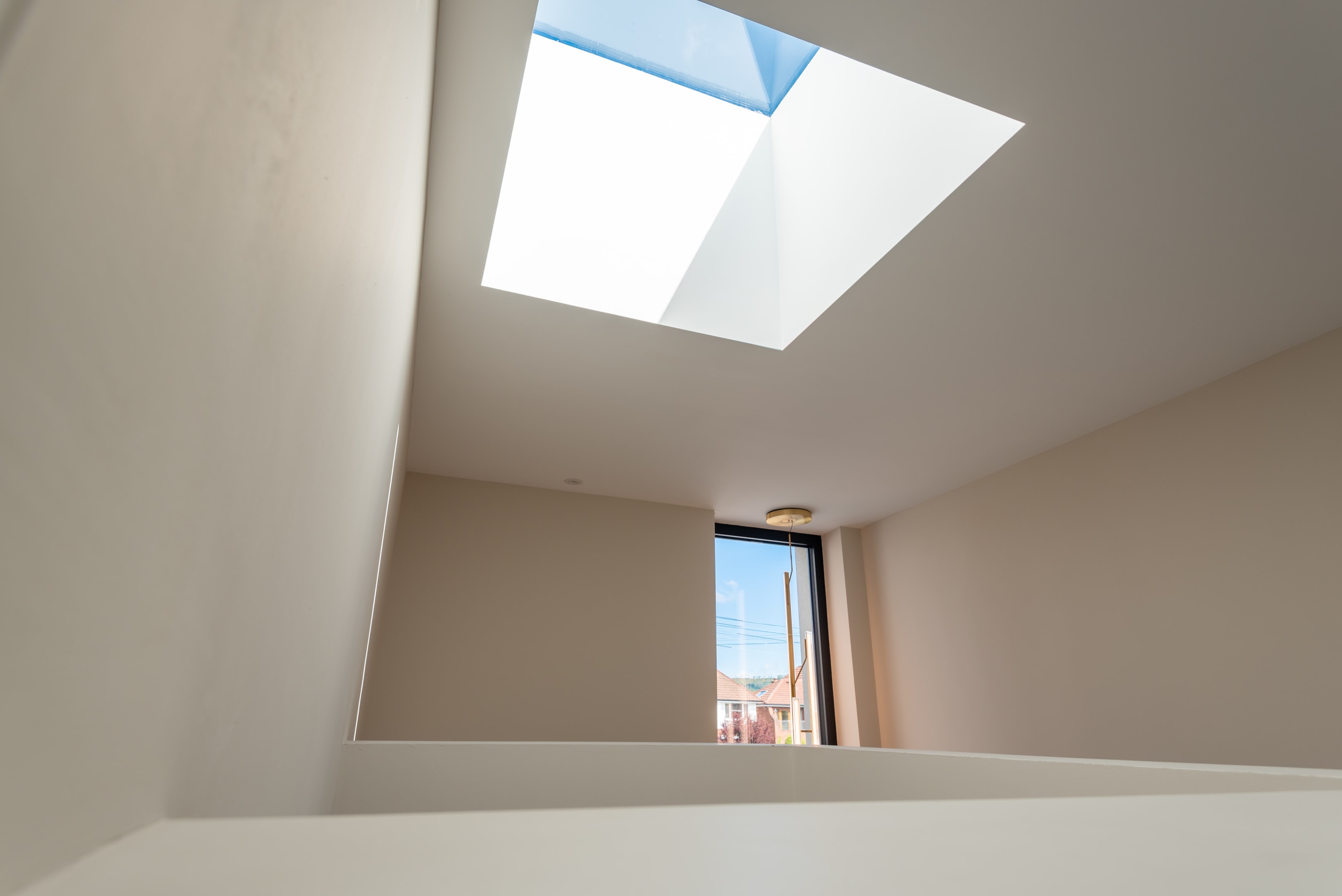
Unlike vertical wall windows that allow light from the sides, roof lights capture daylight from above, providing a unique lighting angle that can transform dark and gloomy rooms into bright, welcoming spaces.
Do Roof Lights Let in More Light?
In short: Yes, roof lights typically let in more light than a conventional window. But why is that?
1. Orientation Toward the Sky
Roof lights face directly upward or at a pitched angle, allowing them to collect daylight from a broader portion of the sky dome. This positioning ensures they capture maximum light from the sky dome, making them highly effective in enhancing natural light in living spaces. Unlike side-facing windows, which rely on reflected light or a specific sun angle, roof lights can capture consistent and intense daylight throughout the day—even on cloudy days.
2. Angle of Incidence
The effectiveness of a window in bringing in light is partly determined by the angle of incidence, or the angle at which natural sunlight strikes the glass. Roof lights receive natural sunlight at a more direct angle for much of the day, especially around noon. This makes them more efficient in transferring light indoors.
3. Even Light Distribution
Because roof lights are positioned overhead, they distribute light more evenly across interior spaces. Vertical windows often create areas of contrast—bright near the window, dimmer further away. Roof lights help mitigate that unevenness, particularly in open-plan layouts or deeper rooms.
The Benefits of Roof Lights
Beyond just “more light,” roof lights can significantly reduce heating bills by allowing natural light to warm your home, thereby reducing the need for artificial lighting and heating.
There are other valuable benefits to installing roof lights:
1.. Energy Efficiency
Natural light reduces the need for artificial lighting during the day, which helps lower energy bills. This can lead to notable savings on electricity. Furthermore, advanced roof lights now come with thermal glazing that retains heat in the winter and reflects it in the summer, helping regulate indoor temperatures.
2.. Improved Well-being
Numerous studies show that exposure to natural light boosts mood, productivity, and even sleep quality. Roof lights can make a space feel more open and connected to nature—especially important in urban environments. Other benefits include improved mood and productivity, making roof lights a valuable addition to any space.
3. Aesthetic Appeal
Roof lights are a modern design element that can instantly create a wow factor in a room by enhancing its aesthetic appeal. Whether it’s a minimalist loft or a cosy attic conversion, they introduce an architectural feature that’s both functional and stylish.
When Do Roof Lights Make the Most Sense?
While roof lights are beneficial, they’re not always suitable for every situation. Here are a few scenarios where they shine:
- Rooms with no external walls: Bathrooms, hallways, or central parts of a home often lack window access.
- Extensions and loft conversions: These typically have roof space that can accommodate a skylight.
- North-facing properties: Since roof lights draw in sky light, they can help brighten up areas that otherwise receive less sun exposure.
- Existing flat roof: Roof lights can be easily installed in an existing flat roof, requiring minimal structural adjustments and often not needing planning permission, making them a convenient option.

Considerations Before Installing Roof Lights
Before you jump into installation, it is crucial to check the building regulations. Adhering to local guidelines ensures that your roof lantern installation complies with height limitations and conservation requirements, particularly important for building restorations. Here are a few other things to consider:
1. Orientation and Placement
The type and amount of light your roof light provides are influenced by various factors, including its direction. For instance:
- South-facing: Maximum sunlight throughout the day, but may lead to overheating.
- North-facing: Consistent, soft light—ideal for studios or workspaces.
- East-facing: Morning light, ideal for kitchens or breakfast nooks.
- West-facing: Evening light, which can cause glare or heat gain.
2. Ventilation and Accessibility
Ventilated roof lights allow for passive cooling and airflow, great for bathrooms and kitchens. However, they may require electric openers or remote control systems for hard-to-reach areas, and certain designs may demand more maintenance due to their structural complexity and exposure to the elements.
Are Roof Lights Worth the Investment?
Cost-wise, roof lights are generally more expensive to install than a standard window. Factors like structural changes, waterproofing, and insulation all add to the price tag. However, even for those on a tight budget, roof lights can be a cost-effective option due to the significant return on investment in terms of energy savings, property value, and lifestyle improvement.
Homeowners often report that roof lights are one of the most transformative features in their renovations or extensions. When done properly, they create a sense of openness and brightness that’s hard to match with wall windows alone.
So, do they let in more light? Absolutely. They’re an efficient, stylish, and highly functional way to flood your home with natural daylight. Whether you’re remodeling a kitchen, upgrading a loft, or building an extension, roof lights offer a superior solution for maximising brightness and enhancing the ambiance of your space.
Here at Lantern Superstore we offer a wide range of flat roof lights and frameless roof lights. Not only do our roof lights flood your home with natural light, they also improve your kerb appeal with their sleek design. Interested in increasing the natural lighting in your home? Get in contact with our team today on sales@lanternsuperstore.co.uk.


