
 MY basket
When planning to install a roof light, one of the most frequently asked, and often overlooked questions is: Do I need an upstand for my roof light? The short answer is yes, in most cases, you do. But the reasons why, and the options available, are important to understand fully before starting your project.
In this blog, we’ll break down what an upstand is, why it’s necessary, and what considerations you need to make when installing one. Whether you’re retrofitting a roof light into an existing roof or designing a brand-new extension, this guide will help you make an informed decision.
What Is an Upstand?

An upstand is a raised frame or kerb that sits between the flat or pitched roof and the roof light itself. It essentially creates a structural base on which the roof light is mounted.
Typically made of timber, the upstand raises the roof light above the roof level to ensure it performs correctly. In some installations, the upstand is part of the roof light system (integrated), while in others, it needs to be built separately on-site.
Why Is an Upstand Important?
An upstand serves several critical functions, which are essential for the performance and longevity of your roof light:
1. Weatherproofing
One of the main purposes of an upstand is to prevent water ingress. By raising the roof light above the roof level, the upstand creates a barrier against standing water, snow, and wind-driven rain.
Flat roofs are especially susceptible to water pooling. Without an upstand, moisture could seep into the building through the edges of the roof light, leading to damp issues, mould, and long-term structural damage.
2. Compliance with Building Regulations
In the UK, Building Regulations specify that roof lights must be weatherproof and adequately insulated. This often means an upstand is required to meet these standards.
Specifically:
- Approved Document C covers resistance to moisture.
- Approved Document L addresses the thermal performance of building elements.
An upstand allows space for proper insulation and weatherproof detailing, helping your installation pass inspections and avoid costly retrofitting later.
3. Structural Support
An upstand also provides a stable mounting point for the roof light. Roof lights can be heavy, especially those with double or triple glazing. A properly built upstand ensures the load is evenly distributed and secured.
For pitched roofs, an upstand helps position the roof light at the correct angle. For flat roofs, it elevates the unit enough to encourage water run-off and prevent pooling around the frame.
4. Thermal Performance
Many modern roof lights come with high-spec glazing for insulation and energy efficiency, but the interface between the roof and the roof light can be a weak point if not properly detailed.
A well-designed upstand allows room for:
- Insulation around the frame
- Minimising cold bridging
- Sealing joints effectively
This keeps your interior warmer in winter, cooler in summer, and more energy-efficient overall.
Do All Roof Lights Need an Upstand?
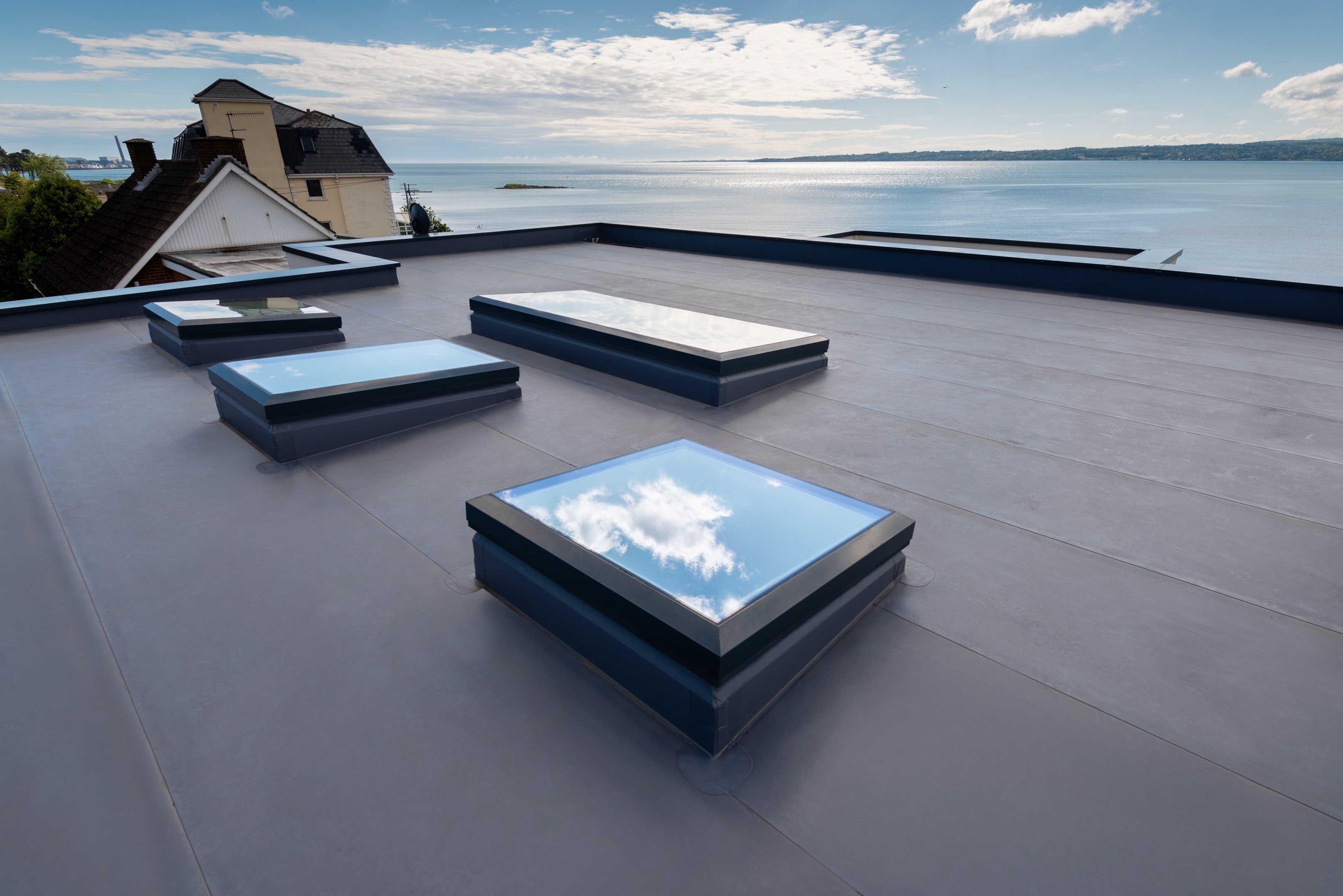
In nearly all flat roof installations, yes, an upstand is required. Even when it’s not legally required, it’s still strongly recommended for performance reasons.
In pitched roof installations, roof lights are typically integrated between rafters and may not require an upstand in the traditional sense. However, manufacturers often still recommend some form of kerb or flashing detail to ensure watertightness and compliance.
If your roof light comes as a complete unit with a pre-fitted upstand, you may not need to build a separate one. But you must confirm that the included upstand meets your roof specifications and complies with local regulations.
How High Should an Upstand Be?
The recommended minimum upstand height for flat roof installations in the UK is usually 150mm above the finished roof surface, according to best practice guidelines (and often required by Building Regulations).
This minimum height:
- Allows water to run off freely
- Keeps the roof light clear of snow and debris
- Provides enough depth for insulation and flashing
Can I Build My Own Upstand?
Yes, you can build your own upstand, but it must be done properly. Typically, a timber upstand is built during roof construction or refurbishment. It should be:
- Structurally sound and level
- The correct dimensions for your roof light
- Properly insulated and waterproofed with membranes or GRP
Alternatively, you can purchase prefabricated upstands or use roof lights that come with integrated kerbs. These options are often easier, quicker to install, and fully compatible with the product.
What If I Skip the Upstand?
Skipping the upstand might save time or money during installation, but it can lead to serious long-term issues, including:
- Water leaks
- Damp and mould inside the building
- Failed Building Control inspections
- Invalidated product warranties
- Reduced energy efficiency
In other words, it’s not worth the risk.
Always Check with Your Supplier
The final word of advice is to always check with your roof light supplier or installer. Different products have different requirements. Some come with built-in upstands, while others need custom-made kerbs.
Ask questions like:
- Does this unit include a suitable upstand?
- What height is recommended?
- Does it comply with Building Regulations?
- What’s the best way to weatherproof and insulate the upstand?
An experienced supplier should provide all the information you need and even offer installation support if required.
So, Do You Need an Upstand for Your Roof Light?
In most cases, especially on flat roofs, yes, you do. An upstand is a crucial component that ensures proper water drainage, insulation, structural support, and compliance with regulations. While some roof lights include built-in kerbs, many require a separately built upstand tailored to the roof and product.
Taking the time to get this detail right can save you from costly repairs, improve your home’s energy performance, and extend the lifespan of your roof light.
Planning a renovation and want simple installation for your roof lights? Contact sales@lanternsuperstore.co.uk to discuss your next project!


