
 MY basket
Adding a rooflight can completely transform a room, flooding it with natural light, making it feel more spacious, and even boosting your mood. But when it comes to actually installing one, many homeowners find themselves wondering: Is this something I can do myself, or is it a job for the professionals?
The answer isn’t a simple yes or no. Installing a rooflight sits in that tricky middle ground where, for some experienced DIYers, it’s possible but challenging, while for most people, it’s safer, quicker, and ultimately cheaper to call in the experts. Let’s break down what’s involved, when a DIY approach might be reasonable, and the situations where you should definitely hand over the tools.
What Installing a Rooflight Involves
At its core, fitting a rooflight means cutting an opening into your roof, making structural adjustments to the rafters, inserting the frame, sealing it against the elements, and finishing the inside so it blends with your ceiling. Sounds simple in one sentence, but here’s what actually needs doing:
- Planning & Permissions – Checking whether you need planning permission (especially for conservation areas or listed buildings) and ensuring the installation meets building regulations.
- Measuring & Positioning – Choosing the right location for maximum light while avoiding structural issues like cutting through key support beams.
- Structural Alterations – Modifying rafters and adding supporting timbers (often called “trimmers”) so your roof remains stable.
- Weatherproofing – Installing flashing kits and sealing materials to keep rain and wind out.
- Glazing & Frame Fitting – Accurately installing the unit so it operates smoothly and is secure.
- Internal Finishing – Plaster boarding, insulating, and decorating around the opening.
Each of these steps carries its own set of challenges, and potential pitfalls.
When DIY Installation Might Be Feasible

If you’re an experienced DIYer who’s comfortable working at height, understands basic roofing principles, and owns the right tools, then installing a rooflight yourself could be within your skill set. Here are the main scenarios where DIY might make sense:
1. You’re Working on a Simple, Accessible Roof
A single-storey extension with a low pitch, for example, is far easier and safer to work on than a steeply pitched three-storey house. If you can access the area from scaffolding or a sturdy platform without needing specialist climbing equipment, you’ve removed one major risk factor.
2. The Rooflight is Small and Standard-Sized
Bigger or unusually shaped units require more structural adjustment, which raises the complexity. A small, off-the-shelf rooflight is far easier to install.
3. You’re Confident with Carpentry and Roofing Skills
Cutting rafters without weakening the roof, installing trimmers correctly, and ensuring watertight flashing all require precision. If you’ve replaced roof tiles before or have tackled similar structural work, you’ll be better equipped.
4. You Understand Building Regulations
Even if you’re doing the work yourself, you must meet UK Building Regulations. That means ensuring structural integrity, proper insulation, and safety glazing where required. You’ll need to arrange inspections to sign off the work.
5. You’re Comfortable with the Risk
DIY rooflight installation is not a “learn as you go” project. Mistakes can be costly, both financially and in terms of personal safety. If you’re okay taking that on, then it’s your call.
The Risks of DIY Rooflight Installation
Before you grab your saw, it’s worth being honest about the downsides. Here’s what can go wrong:
- Leaks & Water Damage – Poorly fitted flashing or seals can let water in, leading to mould, rot, and costly repairs.
- Structural Issues – Cutting the wrong rafters or failing to reinforce properly can weaken the roof, creating sagging or instability.
- Thermal Inefficiency – Incorrect insulation or gaps can cause heat loss, condensation, and higher energy bills.
- Safety Hazards – Falls from roofs are one of the most common DIY accident causes, and can be serious or even fatal.
- Voiding Warranties – Many rooflight manufacturers require professional installation for their warranty to remain valid.
- Failed Building Inspections – If the work doesn’t meet regulations, you could be forced to redo it, possibly at greater cost than hiring a pro in the first place.
When You Should Definitely Leave It to the Professionals
Even the most enthusiastic DIYer has limits. Here are the clear red flags that mean you should call in a qualified installer:
1. Steep, High, or Complex Roofs
Anything above single-storey height, with a steep pitch or awkward access, requires specialist safety equipment and experience.
2. Large or Bespoke Rooflights
Bigger units are heavier, require more complex structural work, and often need multiple people to manoeuvre safely into place.
3. Conservation or Listed Buildings
Installing a rooflight in these cases often requires planning permission, careful adherence to design restrictions, and potentially specialist products like conservation-style roof windows.
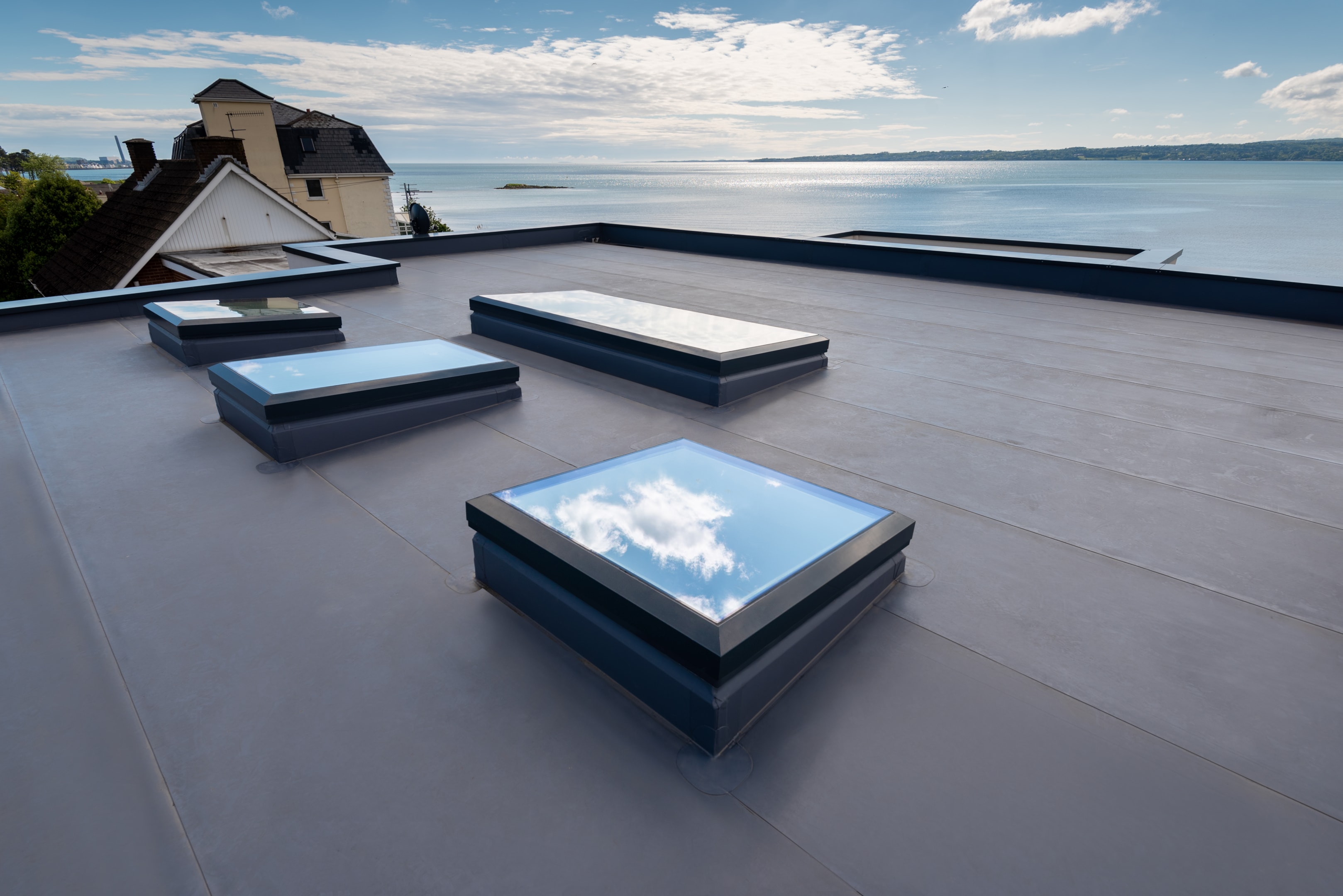
4. Flat Roofs Requiring Lanterns or Domes
While not as risky in terms of height, these often involve precise upstand construction and waterproofing, easy to get wrong.
5. Inexperience with Roofing
If you’ve never taken up tiles or worked on a roof, this is not the time to start learning. The margin for error is small, and the consequences of mistakes are big.
Cost Considerations
A major reason people consider DIY is to save money. Professional installation in the UK can range from £500–£1,500 depending on complexity (not including the cost of the rooflight itself). DIY can cut that labour cost, but factor in:
- Tool hire or purchase
- Scaffolding or safety gear
- Materials for structural alterations
- Extra insulation
- Potential repair costs if something goes wrong
Sometimes, the “savings” shrink quickly, especially if you have to call in a pro to fix mistakes.

Blended Approach: DIY Prep, Pro Finish
For some homeowners, a hybrid method works well. You can handle the internal preparation, like clearing the loft space, removing plasterboard, or decorating, while leaving the cutting, fitting, and sealing to an experienced roofer. This keeps labour costs down while avoiding the riskiest steps.
The Bottom Line
Yes, you can install a rooflight yourself if you have the right skills, tools, and roof conditions. But for many people, the risks and potential costs outweigh the savings. A badly fitted rooflight doesn’t just look wrong, it can compromise your home’s safety, comfort, and value.
If you’re unsure, it’s worth at least getting a quote from a professional installer. You might be surprised by how quickly and efficiently they can complete the job, often with guarantees that give you peace of mind for years to come. After all, a rooflight is meant to make your home brighter and more enjoyable, not to keep you awake at night wondering if that drip you hear is just the rain or the start of a costly problem.
At Lantern Superstore we offer a range of rooflights that you can install by yourself as a DIY project, or you can get them professionally installed by a company local in your area. Interested in getting your own? Speak to our team on sales@lanternsuperstore.co.uk today!


