
 MY basket
Loft conversions are one of the most effective ways to add space, light, and value to your home. Whether you’re creating a new bedroom, office, or living area, natural light is a key part of making the space feel open and comfortable. This is where rooflights come in – but a common question homeowners ask is: can I add a rooflight to a loft conversion?
The simple answer is yes – in most cases, you can. However, there are important considerations around planning permission, building regulations, design, and installation, especially in older properties. In this guide, we’ll walk you through everything you need to know before adding rooflights to your loft conversion.
Can You Add Rooflights to a Loft Conversion?
Yes, rooflights are one of the most popular and practical additions to a loft conversion. In fact, they are often the preferred option because they bring in natural light without requiring major structural changes to the roof.
Unlike dormer windows, which extend outwards, rooflights sit flush or slightly raised within the roofline. This makes them a simpler, more cost-effective solution while still delivering excellent results in terms of light and ventilation.
Do You Need Planning Permission?
In many cases, adding rooflights to a loft conversion does not require planning permission. This is because they typically fall under permitted development rights. However, there are conditions you must meet:
- The rooflight must not project more than 150mm from the roof surface
- It must not be higher than the highest part of the roof (the ridge)
- Side-facing windows may need to be obscure-glazed and positioned to protect privacy
When Planning Permission Is Required
You will likely need planning permission if:
- Your property is a listed building
- You live in a conservation area or protected location
- The design significantly alters the roof’s appearance
- The rooflight exceeds permitted size or height limits
- The property is a flat or maisonette
If you’re unsure, it’s always best to check with your local planning authority before starting work.
Building Regulations: What You Need to Know
Even if planning permission isn’t required, building regulations approval is essential for any loft conversion project. When installing rooflights, building regulations will cover:
- Structural integrity: Ensuring the roof can support the installation
- Thermal efficiency: Meeting insulation standards
- Ventilation: Providing adequate airflow where necessary
- Fire safety: Ensuring safe escape routes are not blocked in case of emergency
Because loft conversions often involve altering roof structures, it’s important to work with experienced professionals who understand these requirements.
Benefits of Adding Rooflights to a Loft Conversion
1. Maximising Natural Light
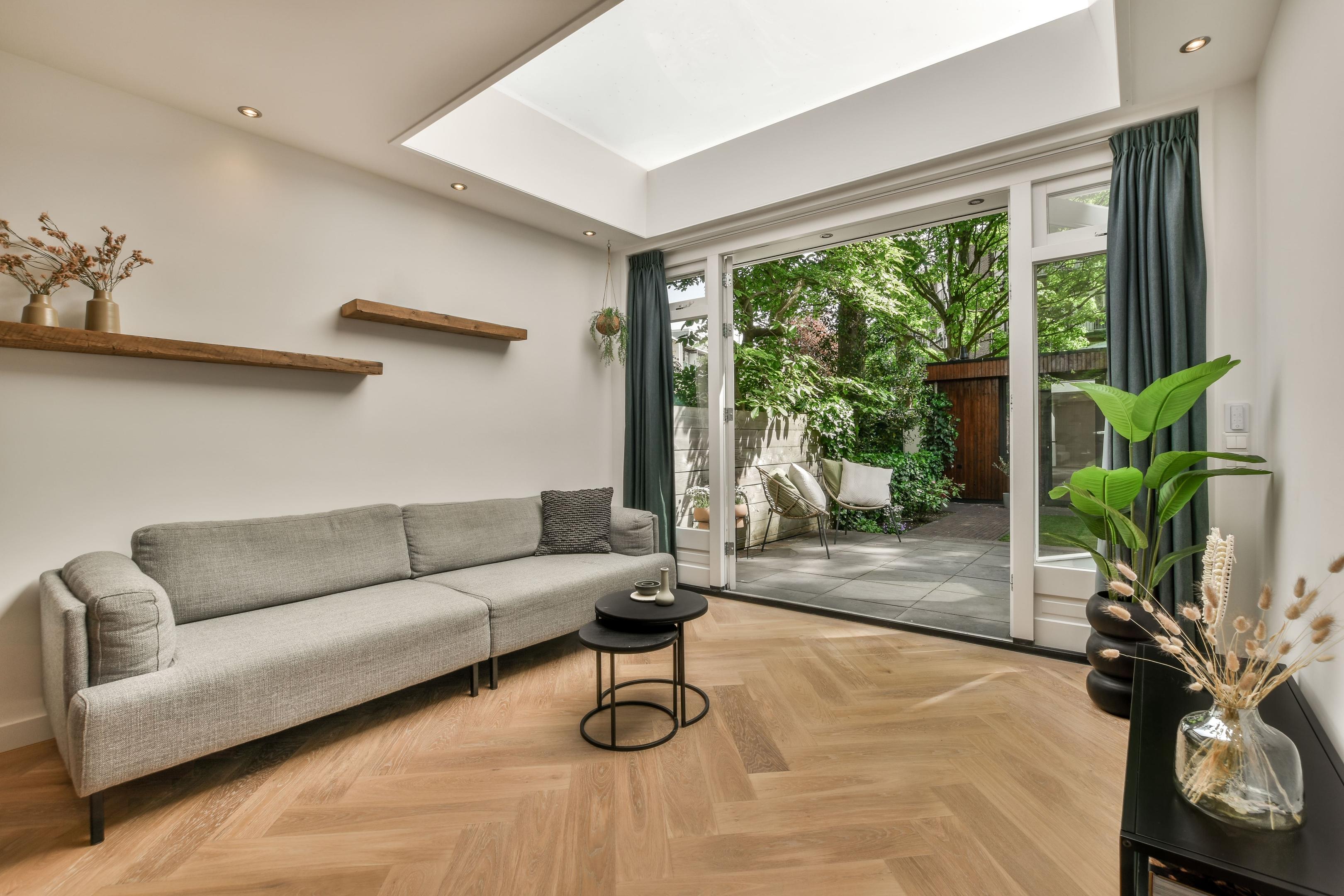
Lofts can sometimes feel dark or enclosed, especially if wall space for windows is limited. Rooflights allow daylight to flood in from above, making the space feel brighter and more inviting.
2. Creating a Sense of Space
Natural light has a huge impact on how a room feels. By opening up the ceiling to the sky, rooflights can make even small lofts feel larger and more open.
3. Cost-Effective Solution
Compared to dormer conversions or major structural changes, rooflights are generally more affordable to install while still delivering significant benefits.
4. Minimal Impact on Exterior Appearance
Because rooflights sit within the roofline, they maintain the overall look of your property – which can be especially important in conservation areas or for homeowners who prefer a subtle finish.
Types of Rooflights for Loft Conversions
There are several types of rooflights to choose from, depending on your needs and design preferences.
1. Fixed Rooflights
These do not open and are designed purely to let in light. They are ideal for areas where ventilation is not required.
2. Opening Rooflights
These can be opened manually or electronically, allowing for ventilation as well as natural light.
3. Conservation Rooflights
Designed to blend in with traditional or period properties, these are often required in conservation areas.
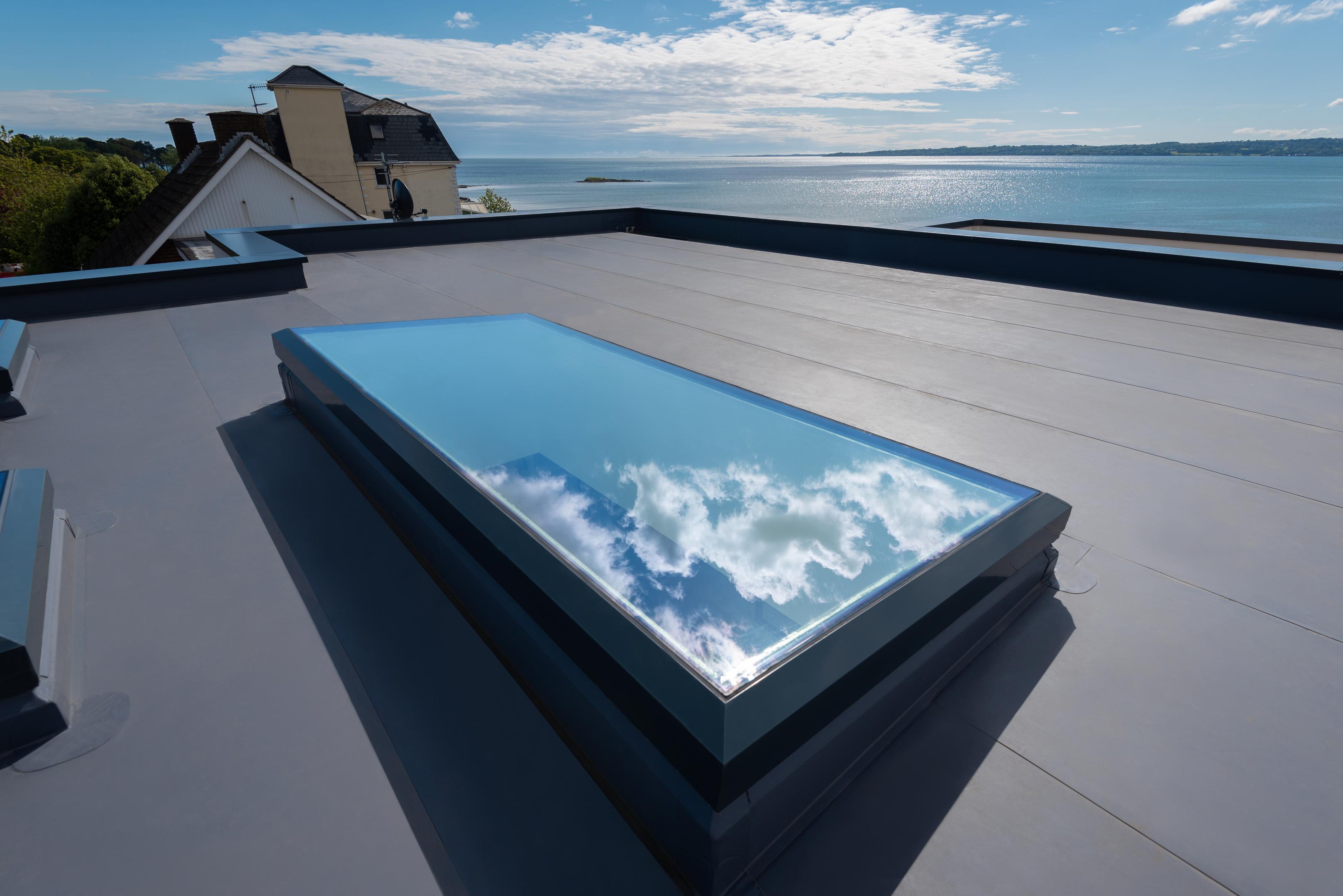
4. Flat Rooflights
If your loft conversion includes a flat roof section, these can provide a sleek, modern finish while maximising light.
Where Should Rooflights Be Positioned?
Placement is key to getting the most out of your rooflights. Consider:
- Orientation: South-facing rooflights bring in the most sunlight, while north-facing ones provide softer, consistent light
- Room layout: Position rooflights where light is most needed, such as above workspaces or seating areas
- Height: Installing rooflights higher up can help distribute light more evenly
Careful planning ensures your loft conversion feels bright, balanced, and functional.
Are Rooflights Enough for a Loft Conversion?
In many cases, rooflights alone are enough to provide sufficient light and ventilation for a loft conversion. However, this depends on the size and layout of the space.
For larger lofts, a combination of rooflights and other features (such as dormers or gable windows) may be more effective.
Common Mistakes to Avoid
When adding rooflights to a loft conversion, watch out for these common pitfalls:
- Incorrect positioning, leading to uneven lighting
- Ignoring building regulations, which can cause issues later
- Choosing the wrong size or type, limiting performance
- Poor installation, resulting in leaks or heat loss
Working with experienced manufacturers and installers can help you avoid these problems.
How Much Does It Cost?
The cost of adding rooflights to a loft conversion can vary depending on:
- The size and type of rooflight
- The number of units being installed
- Installation complexity
- Additional features such as opening mechanisms
While prices can vary, rooflights are generally one of the more budget-friendly ways to enhance a loft space.
Do Rooflights Add Value?
Yes, rooflights can add value to your home – particularly as part of a loft conversion. By improving natural light, energy efficiency, and overall usability, they make the space more attractive to potential buyers.
A well-designed loft conversion with quality rooflights can significantly boost both appeal and functionality.
So, Can You Add A Rooflight To A Loft Conversion?
In most cases, absolutely. Rooflights are a practical, cost-effective way to transform your loft into a bright, comfortable, and usable space.
While planning permission is often not required, it’s essential to ensure your project meets permitted development rules and building regulations. With the right design and professional installation, rooflights can completely change the feel of your loft – bringing in light, improving ventilation, and creating a space you’ll love to use.
If you’re planning a loft conversion, rooflights are well worth considering – because sometimes, the best way to open up a room is to look up.
At Lantern Superstore, we supply high-quality rooflights designed to bring more light, comfort, and performance to your loft conversion. Planning your project? Get in touch with our team on sales@lanternsuperstore.co.uk today.


