
 MY basket
Roof lanterns are an increasingly popular feature in modern home design, especially in extensions, orangeries, and contemporary kitchen spaces. With their stunning appearance and ability to flood rooms with natural light, they offer a stylish and functional addition to many homes. But with all their aesthetic and practical benefits, one question still lingers in the minds of many homeowners and renovators: are roof lanterns cold?
Let’s dig into the truth behind this question and uncover whether roof lanterns are truly a source of heat loss or whether modern advancements have rendered this concern a thing of the past.
What Is a Roof Lantern?
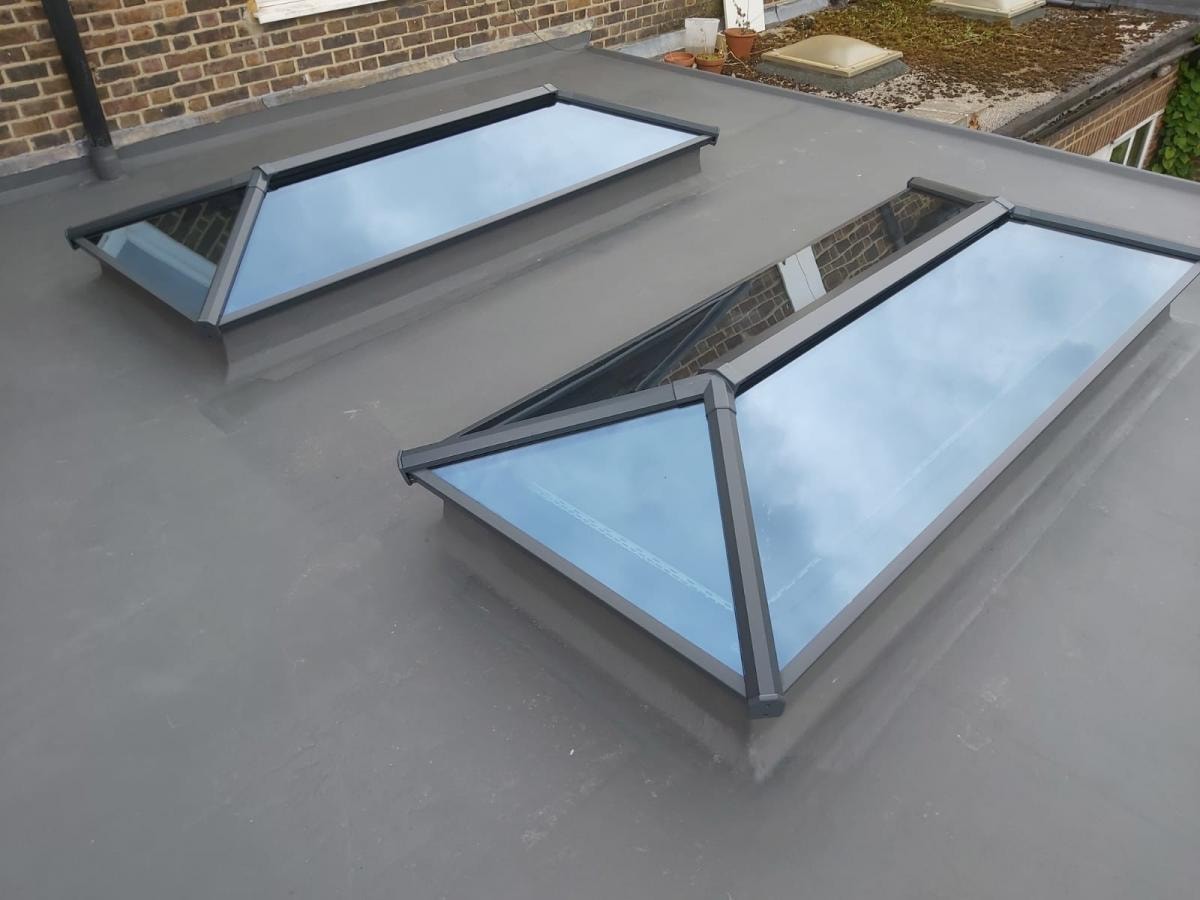
Before we explore the thermal performance of roof lanterns, it’s useful to understand what they are. A roof lantern is a glass structure that projects from a flat or low-pitched roof, typically in a pyramid or rectangular shape. Think of them as skylights with a more architectural flair. They let in daylight from multiple angles, dramatically improving the light quality in a room below.
Historically, roof lanterns were a hallmark of Victorian and Edwardian architecture, often used in orangeries and atriums. Today, they are embraced in both traditional and contemporary home designs for their elegance and practical benefits.
The Cold Myth Explained
Many people ask: Do roof lanterns make the room colder? This thought typically comes from older installations and outdated technologies. Early designs often featured single-pane glass and uninsulated frames, such as wood, which made them notorious for heat loss during winter and excessive heat gain in summer.
If you’ve ever been in a conservatory from the early 1990s, you may have felt the icy chill in winter or the stifling heat in summer. This experience, though valid, has shaped a misconception about all glass roof features, including modern roof lanterns that are installed with features such as thermal breaks and energy efficient glazing to keep a room warm.
Modern Materials and Technologies
Fortunately, building technology has come a long way. Today’s roof lanterns are engineered with energy efficient benefits in mind. Let’s break down the key advancements that have turned them from thermal weak spots into energy-conscious design features for a cosy living space.
1. Double Glazing or Triple Glazing
One of the most significant improvements is the widespread use of double glazing or triple glazing. These layers of glass are separated by argon gas, which significantly reduces heat transfer. Compared to single glazed units, modern glazing options dramatically reduce heat loss, making your home warmer in winter and cooler in summer.
2. Low-E Coatings
Modern roof lanterns are fitted with low-emissivity (Low-E) coatings. These are microscopically thin layers of metal oxide on the glass surface that reflect infrared heat back into your home while still allowing visible light to pass through. This helps to keep your home warm without compromising on natural sunlight.
3. Thermally Broken Frames
Traditional metal frames, especially aluminum ones, are great conductors of heat and cold. Today’s high-end roof lanterns feature thermally broken frames, which include insulating materials between the inner and outer parts of the frame to prevent thermal bridging. This means a well designed roof lantern keeps the interior side warmer and reduces condensation.
4. Warm Edge Spacers
These spacers sit between panes of glass and play a crucial role in insulating the edge of the glazing unit. Warm edge technology reduces heat loss, minimises condensation, and helps maintain an even temperature inside.
5. Seamless Installation and Insulation
Beyond the product itself, professional, proper installation is vital. Poor installation can lead to drafts, leaks, or gaps around the lantern, which will let cold air in regardless of how advanced the glass is. A high-quality installation includes airtight seals, adequate roof insulation, and sometimes even insulated upstands to further reduce heat loss.
Do Roof Lanterns Affect Your Energy Bills?
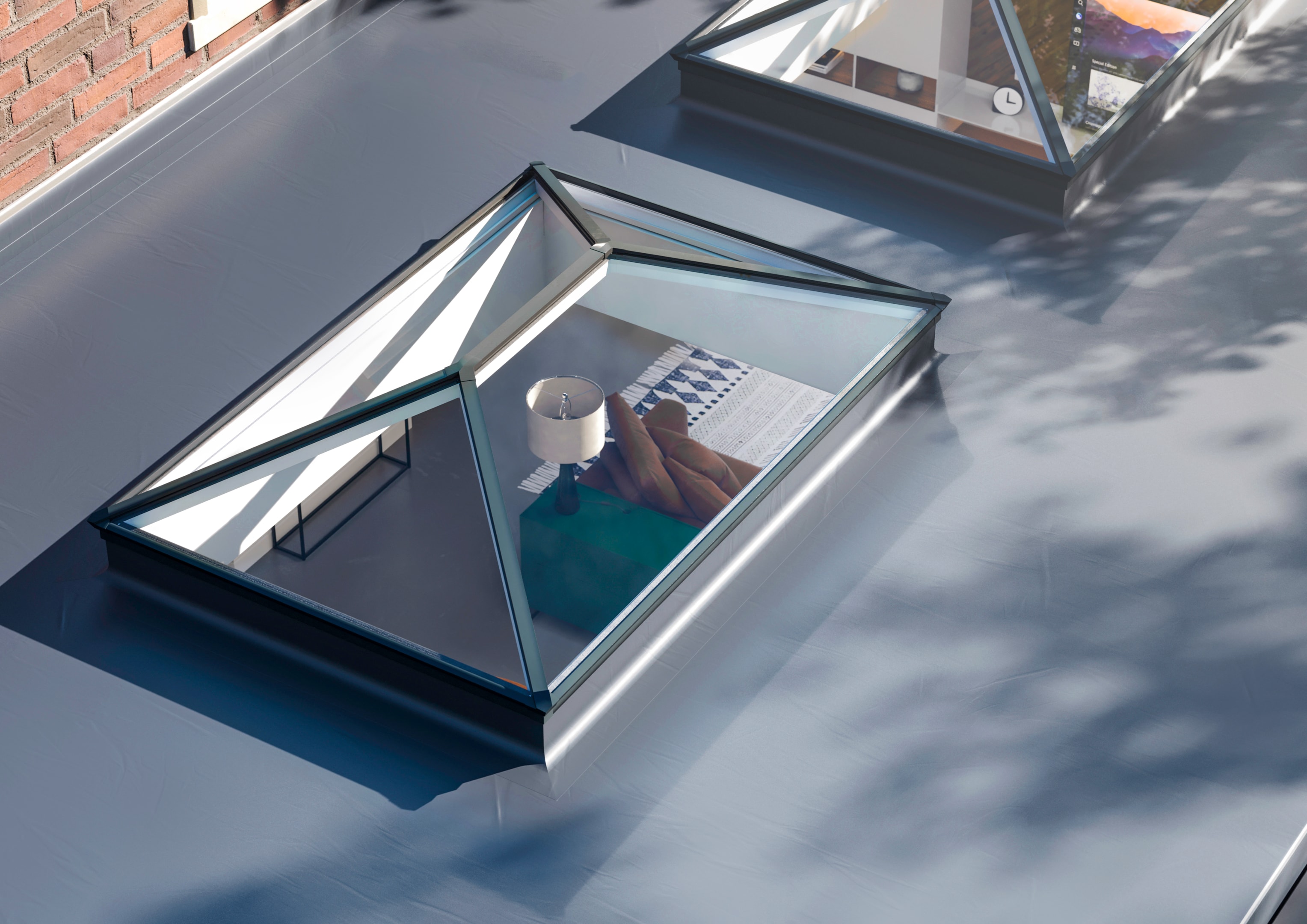
A well-constructed and properly installed roof lantern should not increase your energy bills significantly. In fact, it can contribute to passive solar heating by allowing the sun to warm your space naturally during daylight hours. This can even reduce your reliance on artificial lighting and heating during milder months.
However, as with any glazing in a home, heat loss is always higher than through a fully insulated, solid roof. The key difference is that today’s roof lanterns narrow this gap substantially thanks to modern technology.
Other Comfort Considerations
Cold isn’t the only consideration when evaluating the comfort of a space with a roof lantern. Here are a few other elements to think about:
1. Overheating in Summer
Just as people worry about cold in winter, overheating in summer is another concern. To counteract this, consider using solar control glazing, built-in ventilation features, or even motorised blinds to regulate temperature throughout the year. This high performance glazing can retain heat from the sun’s warmth in winter months, but also prevent overheating when needed to maintain comfort during temperature difference.
2. Condensation
Condensation can occur if warm, moist indoor air meets a cold glass surface. However, this is typically a result of poor insulation or lack of ventilation, not a flaw of roof lanterns themselves. Choosing a lantern with thermally broken frames and quality glazing greatly reduces this risk.
3. Sound Insulation
In addition to thermal insulation, modern roof lanterns also offer excellent acoustic insulation, especially if you live near a busy road or under a flight path. Double or triple glazing helps keep outside noise to a minimum.
Tips for Choosing a Warm, Efficient Roof Lantern
If you’re considering adding a roof lantern to your home, here are some tips to ensure it doesn’t become a cold spot:
- Choose double glazing or triple glazing with a low U-value
- Opt for thermally broken aluminum or uPVC frames
- Ensure professional installation with proper sealing and insulation
- Ask about warm edge spacers and Low-E glass
- Consider integrated blinds or solar reflective glass for year-round comfort
Conclusion: Are Roof Lanterns Cold?
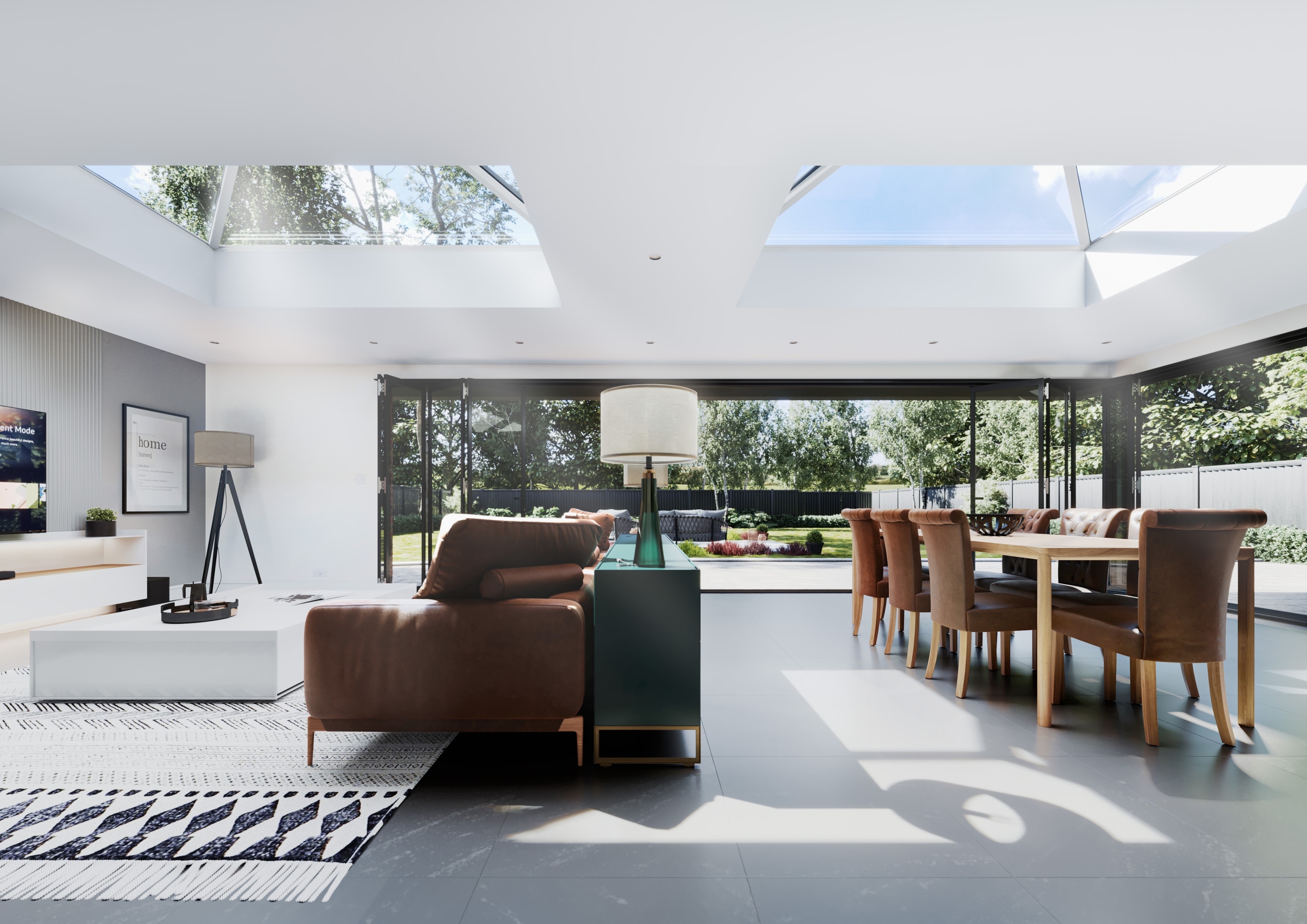
No, modern roof lanterns are not cold, at least not if you choose a high-quality, well-insulated model and have it professionally installed. Thanks to technological advancements in glazing, framing, and installation techniques, roof lanterns can now offer both beauty and energy efficiency.
They may not insulate quite as well as a solid roof, but they are far from the drafty liabilities of the past. Instead, they can be a cozy, light-filled centerpiece of your home, warm in winter, cool in summer, and stunning all year round.
If you’re planning a renovation or extension, a roof lantern is well worth considering, not just for the natural light and aesthetic appeal, but also for the overall comfort and value it can add to your property.
Here at Lantern Superstore, we offer a wide range of Roof Lanterns with U values as low as 1.2 W/m2K. All of our roof lanterns are safe and secure including optional extras, with a laminated inner pane as standard. Our roof lanterns can be installed in as little as 20 – 25 minutes. Looking to improve your home with one of our customisable roof lanterns? Get in contact with our team today on sales@lanternsuperstore.co.uk.


