
 MY basket
When choosing a roof lantern, one of the biggest decisions you’ll face is the material. Aluminium and uPVC are two of the most common options – but if you’re aiming for performance, longevity, and a more refined finish, aluminium is considered the superior choice.
That’s not to say uPVC doesn’t have its place. It can be a practical, budget-friendly option for certain projects. However, when you look at the bigger picture – design, durability, and long-term value – aluminium roof lanterns consistently come out on top.
In this guide, we’ll break down the key differences and explain why aluminium is often the preferred option for modern homes and extensions.
Why Material Matters
A roof lantern isn’t just a window, it’s a structural feature that sits at the highest point of your space. It’s exposed to changing weather conditions, temperature fluctuations, and constant natural light.
Because of this, the material you choose affects:
- How your lantern looks
- How long it lasts
- How well it performs over time
- How much natural light enters your space
That’s why aluminium has become the go-to for many homeowners, architects, and installers.
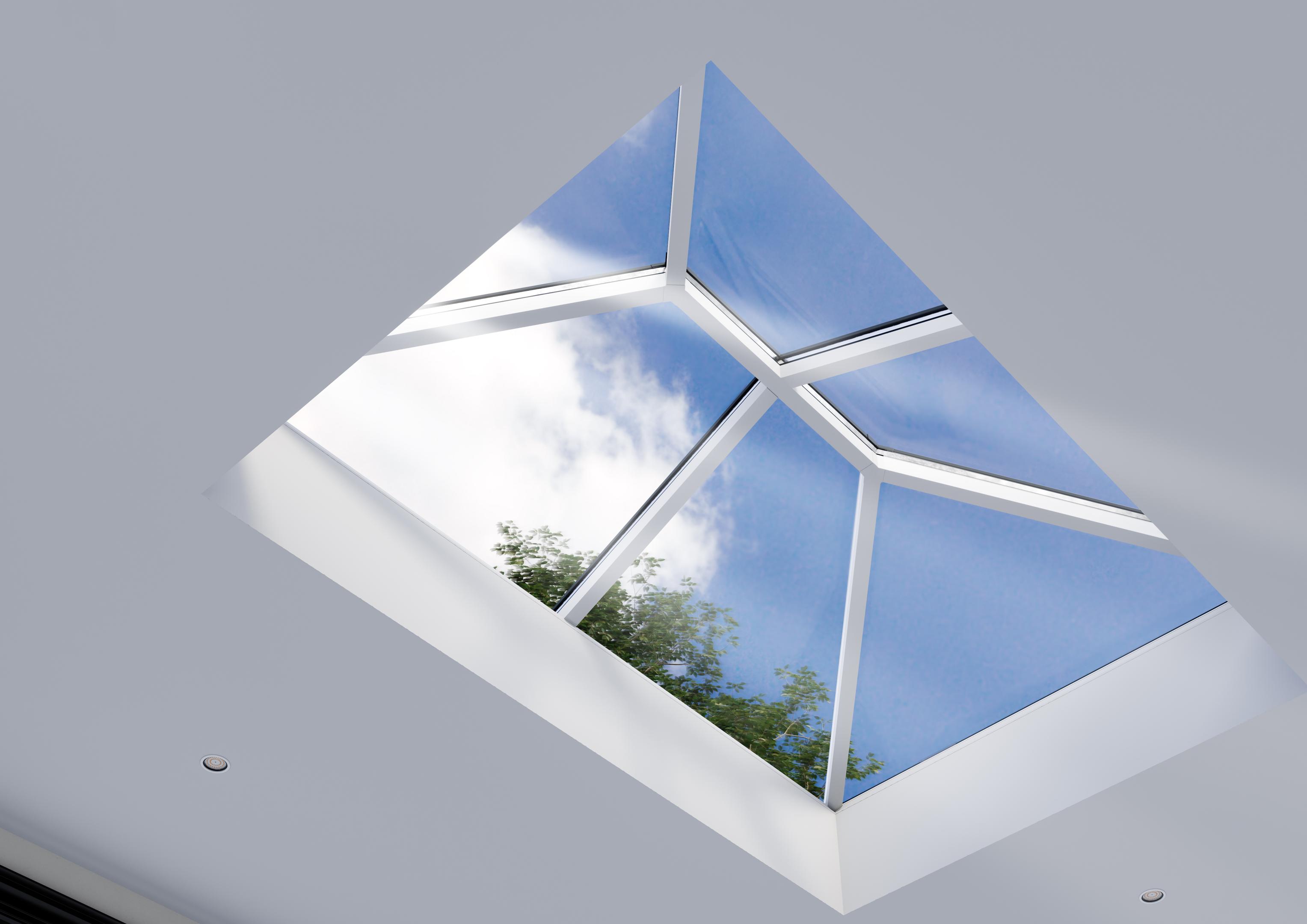
1. Slim Sightlines and More Glass
One of the biggest advantages of aluminium is its strength. Compared to uPVC, aluminium can support larger panes of glass with much slimmer frames.
What does that mean for your home?
- More natural light entering the space
- Cleaner, more modern lines
- Less bulky framing interrupting the view
Roof lanterns are all about light, and aluminium allows you to maximise it. The result is a brighter, more open-feeling room that instantly feels more premium.
uPVC, by comparison, requires thicker frames to maintain structural integrity. While still effective, it doesn’t offer the same sleek, minimal aesthetic.
2. A More Refined, Modern Finish
If you’re designing a contemporary extension or upgrading your home, aesthetics matter.
Aluminium roof lanterns are known for their:
- Clean, architectural appearance
- Smooth, high-quality finishes
- Ability to complement modern materials like glass, steel, and stone
They’re available in a wide range of colours, often with powder-coated finishes that maintain their look over time.
uPVC tends to have a more traditional feel and is usually limited to a smaller range of finishes. While it can suit certain properties, it doesn’t deliver the same high-end look.
3. Strength and Structural Integrity
Roof lanterns need to be strong – not just to support the glass, but to withstand weather conditions over time.
Aluminium offers:
- Exceptional strength-to-weight ratio
- Resistance to warping, bending, or twisting
- Stability across temperature changes
This makes it ideal for larger lanterns and more ambitious designs.
uPVC, while durable, is not as structurally strong. Over time, it can be more susceptible to movement or deformation, particularly in larger installations or extreme conditions.
4. Long-Term Durability
When investing in a roof lantern, you want something that lasts.
Aluminium is highly resistant to:
- Corrosion
- UV damage
- Weathering
It doesn’t discolour, crack, or degrade in the same way some other materials can over time. With minimal maintenance, aluminium roof lanterns can perform and look great for decades.
uPVC, on the other hand, can show signs of ageing over time, including:
- Discolouration
- Slight warping
- Surface wear
While still a reliable option, it doesn’t typically match aluminium in terms of long-term durability.
5. Thermal Performance
Energy efficiency is a key consideration for any roof lantern.
uPVC has naturally good insulating properties, which has traditionally made it a popular choice. However, modern aluminium systems have evolved significantly.
Today’s aluminium roof lanterns include:
- Advanced thermal break technology
- High-performance glazing compatibility
- Tight, well-engineered seals
This means aluminium can now deliver excellent thermal efficiency while maintaining its structural and visual advantages.
In practice, both materials can perform well – but aluminium achieves this without compromising on design.
6. Low Maintenance, High Performance
One of the key benefits of aluminium is how easy it is to maintain.
- No repainting required
- Resistant to rust and corrosion
- Easy to clean and keep looking new
The powder-coated finish is designed to last, meaning your roof lantern continues to look sharp with very little effort.
uPVC is also low maintenance, but may require more upkeep over time to maintain its appearance, especially if discolouration occurs.
7. Designed for Modern Living
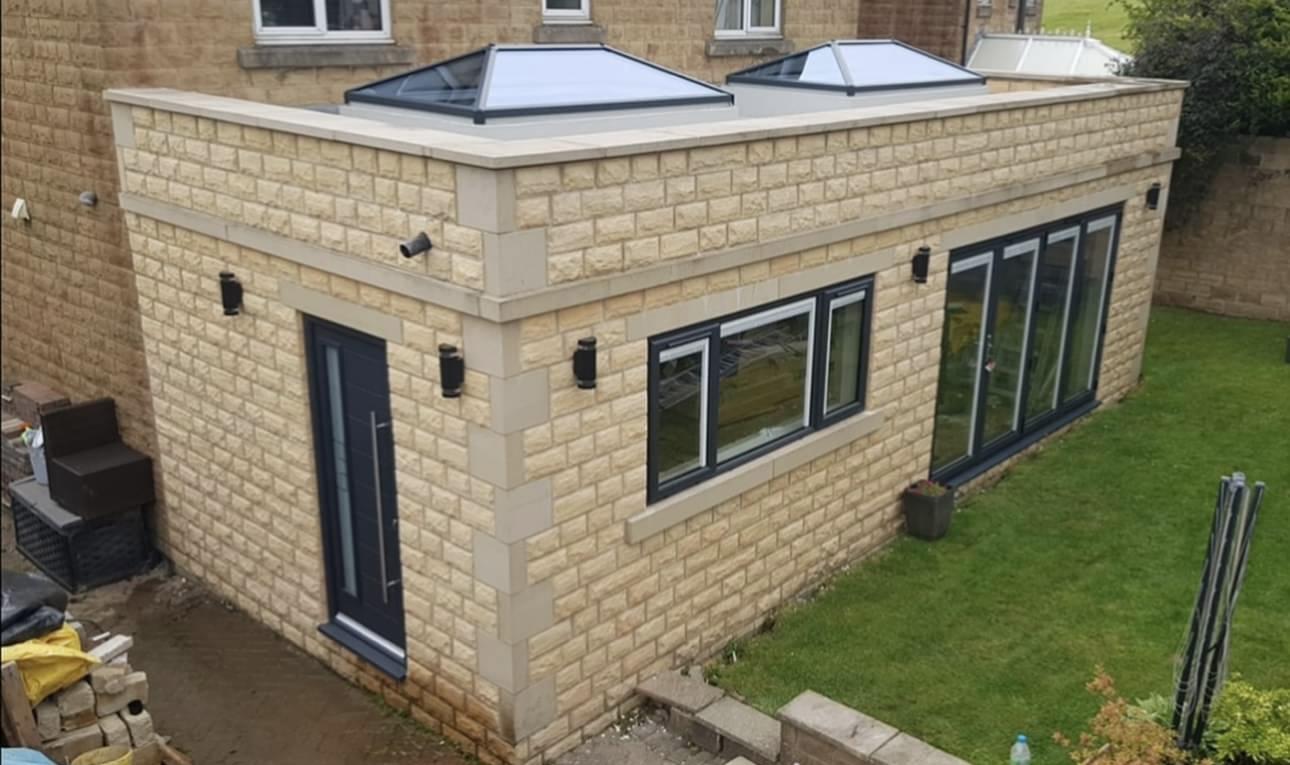
Today’s homes are all about open-plan spaces, natural light, and clean design – and aluminium fits perfectly into that style.
Whether it’s positioned above a kitchen island, dining area, or central living space, an aluminium roof lantern becomes a feature in its own right.
uPVC can still provide the benefits of additional light, but it doesn’t quite deliver the same level of visual impact.
8. Is uPVC Ever the Right Choice?
uPVC does still have a place in the market.
It can be a suitable option if:
- You’re working with a tighter budget
- The design is smaller or less complex
- A more traditional look is preferred
For straightforward projects, it can offer a practical solution. But when compared side by side, aluminium offers more in terms of performance, design, and longevity.
The Real Value of Aluminium
While aluminium roof lanterns may come with a higher upfront cost, they often provide better long-term value.
You’re investing in:
- A longer-lasting product
- A more refined finish
- Improved light and space
- A feature that enhances your home
It’s not just about the initial price, it’s about the overall impact and lifespan.
So, Are Aluminum Roof Lanterns Better Than uPVC?
In most cases, yes. Aluminium offers a combination of strength, style, and durability that’s hard to match. It allows for slimmer sightlines, more natural light, and a premium finish that elevates any space.
While uPVC can be a practical option for certain budgets or applications, aluminium stands out as the superior choice for homeowners looking to create something more modern, long-lasting, and visually striking.
If you’re investing in a roof lantern, it’s worth choosing a material that not only performs well today – but continues to deliver for years to come.
At Lantern Superstore, we specialise in high-quality aluminium roof lanterns designed to maximise light, performance, and style. If you’re looking to upgrade your space with a premium solution built to last, get in touch with our team today on sales@lanternsuperstore.co.uk to find the perfect fit for your project.


